
The human body is a complex network of systems, and at its core lies neurology—the study of the nervous system, which governs nearly every function we perform. Central to this intricate system is the spine, a remarkable structure that not only supports the body but also serves as a critical pathway for nerve signals between the brain and the rest of the body.
Understanding how neurology and spine health intersect is essential for addressing issues that can impact mobility, sensation, and overall well-being. This connection highlights the profound influence the nervous system has on physical health and why maintaining spinal integrity is crucial for a balanced and functional body.
The Spine’s Role in Neurological Communication
The spine plays a pivotal role in neurology, serving as the primary conduit for communication between the brain and the body. Within the central nervous system, the spinal cord acts as a vital channel, transmitting electrical nerve signals that control movement, sensation, and automatic body functions. The complex partnership between the spine and nervous system ensures the cohesion of physical and neurological health.
Key functions of the spine in neurological communication include:
- Signal Transmission: The spinal cord carries motor commands from the brain to the muscles and sensory information from the body back to the brain. This bidirectional flow of electrical signals is essential for voluntary movements and reflexes, as well as processing sensations like temperature and pain.
- Reflex Coordination: The spinal cord independently manages reflexes through reflex arcs. For instance, the patellar reflex—the automatic knee jerk when tapped—occurs without direct input from the brain, showcasing the spinal cord’s autonomous function.
- Structural Protection: The vertebrae safeguard the delicate spinal cord from physical injury. Any damage to this structure can severely disrupt neurological communication, resulting in motor or sensory impairments, such as paralysis or loss of sensation.
Additionally, the spine houses 31 pairs of spinal nerves, ensuring the nervous system can reach every part of the body. Whether in maintaining posture, controlling vital life processes like breathing, or reacting swiftly to external stimuli, the spine’s neurological connection remains indispensable. This intricate relationship underscores the need for preserving spinal health to optimize neurological functions and overall well-being.
Maintaining spinal wellness, through proper posture, physical activity, and medical care, is instrumental in supporting the seamless interplay between the spine and nervous system in neurology.
Related: What Are Muscle Twitches? Possible Causes and Treatments
How Nerve Pathways Connect the Brain and Body Through the Spine

Neurology reveals the powerful connection between the brain and body, largely orchestrated by the spinal cord. Acting as a critical highway for communication, the spinal cord ensures seamless interaction between the central nervous system (CNS) and peripheral parts of the body. At its core, this system depends on specialized nerve pathways—ascending and descending tracts—designed for sensory and motor signals.
Key elements of how these nerve pathways function include:
- Ascending Tracts for Sensory Signals
Ascending pathways are responsible for transmitting sensory information from the body to the brain. Examples include the spinothalamic tracts, which send messages about pain and temperature, and the dorsal column pathways, which carry signals related to touch and proprioception. These signals travel through sensory neurons to the spinal cord and brainstem, ultimately reaching the brain for processing. - Descending Tracts for Motor Control
Descending pathways send signals from the brain to the muscles, enabling voluntary movement and reflex actions. The corticospinal tracts, for example, play a key role in controlling precise movements, while others like the vestibulospinal tract maintain posture and balance. - Integration of Sensory and Motor Functions
The spinal cord’s dual role ensures that sensory input from the environment is processed and translated into timely motor responses. This integration is vital for reflexes and coordinated physical actions, from walking to fine motor tasks.
The spine not only safeguards these nerve pathways but actively maintains neurological health by its efficient relay of information. This intricate communication system underscores the critical role of the spinal cord in maintaining a well-balanced and responsive neurology.
Related: When Back Pain Could Be a Neurological Issue
Common Neurological Disorders Linked to Spinal Health
Within neurology, many conditions highlight the intricate relationship between spinal health and the broader nervous system. The spinal cord serves as the central communication highway between the brain and body. When this system is compromised, significant neurological disorders can emerge, impacting mobility, sensation, and overall health. Here are some notable conditions linked to spinal health:
- Transverse Myelitis
This inflammatory disorder targets one or more sections of the spinal cord, often damaging the myelin sheath—the protective covering of nerve fibers. Symptoms include sharp back pain, muscle weakness, sensory disruptions, and bladder or bowel dysfunction. Transverse myelitis is frequently associated with infections, autoimmune conditions, or diseases like multiple sclerosis. - Spinal Stenosis
This degenerative condition involves the narrowing of the spinal canal, which can compress the spinal cord or nerve roots. Symptoms may include numbness, radiating pain, and motor weakness, particularly in the extremities. Spinal stenosis is one of the most common age-related spinal conditions affecting neurological health. - Multiple Sclerosis (MS)
A chronic autoimmune disease, MS attacks the protective myelin in the brain and spinal cord. Neurological dysfunctions from MS often manifest as a combination of muscle weakness, coordination difficulties, and sensory disruptions, linked closely to spinal cord lesions.
These disorders underscore the vital role spinal health plays in maintaining neurological function. Persistent back pain, weakness, or sensory changes warrant prompt medical evaluation. Maintaining a healthy spine through posture, physical activity, and prompt treatment can mitigate the risk of these life-altering conditions, ensuring a better quality of life and neurological well-being.
Related: Neurologist-Recommended Exercises for a Healthy Brain
The Impact of Spinal Injuries on Nervous System Function
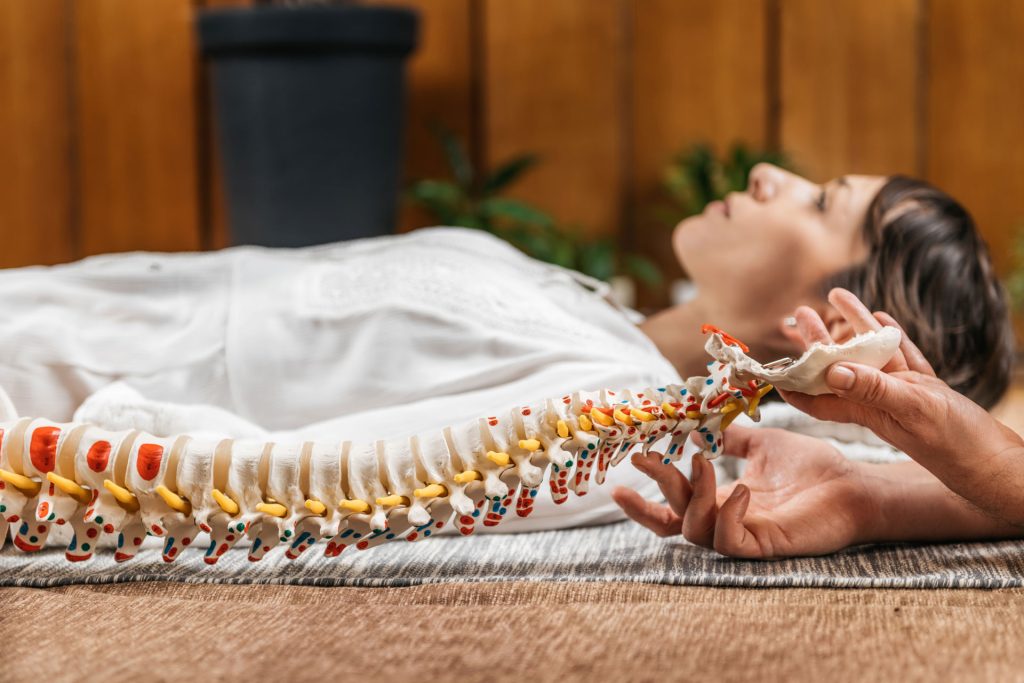
Neurology highlights how spinal injuries disrupt the intricate communication channels between the brain and body. The spinal cord, a central conduit for motor, sensory, and autonomic signals, plays a crucial role in ensuring cohesive bodily functions. When an injury occurs, this communication is compromised, leading to profound neurological dysfunctions.
The severity of these disruptions largely depends on the location and extent of the injury. High-level injuries, such as those affecting the cervical spinal cord, often result in quadriplegia, impacting both arms and legs, and can lead to respiratory difficulties due to paralysis of diaphragm-controlling muscles. Lower injuries may cause paraplegia, affecting the legs and lower body functions. Sensory complications, including numbness, tingling, or loss of sensation, frequently emerge as the spinal cord no longer transmits sensory signals effectively to the brain.
Autonomic dysfunctions are another significant consequence of spinal injuries. These include irregular blood pressure, digestive issues, and bladder or bowel control problems. For example, injuries above the mid-thoracic region can disrupt signals governing heart rate and blood pressure, leading to conditions like autonomic dysreflexia—a dangerous spike in blood pressure.
These outcomes emphasize the importance of spinal health in maintaining neurological function. Injuries to the spinal cord not only impair movement and sensation but also compromise essential involuntary processes vital to survival. Protecting the spine through preventive measures, timely medical interventions, and rehabilitation practices is essential for optimizing both neurological health and quality of life after an injury.
Related: How Genetics Impact Neurological Conditions
Degenerative Spine Conditions and Their Neurological Effects
Degenerative spine conditions are a leading cause of back pain and neurological complications, often resulting from age-related wear and tear or injuries to the spine. Conditions such as degenerative disc disease and spinal stenosis significantly impact the spine’s structure, leading to nerve compression and neurological symptoms.
Key neurological implications of these degenerative conditions include:
- Degenerative Disc Disease
This condition occurs when the intervertebral discs lose their cushioning due to drying or damage. Common symptoms include chronic back pain, weakness in extremities, and radiating pain linked to nerve compression. Over time, this may lead to conditions like herniated discs or spondylolisthesis. - Spinal Stenosis
The narrowing of the spinal canal often results in pinched nerves, causing symptoms like tingling, numbness, or muscle weakness. Severe cases can also affect bladder or bowel control, profoundly altering quality of life. - Multilevel Spine Degeneration
When multiple regions of the spine are affected, individuals may face compounded neurological symptoms, with pain radiating to both upper and lower extremities.
Neurology emphasizes early diagnosis and treatment to mitigate these conditions’ progression. Lifestyle changes such as maintaining a healthy weight, engaging in physical therapy, and avoiding heavy lifting play critical roles. For advanced cases, interventions like spinal injections or minimally invasive surgeries may be necessary.
For comprehensive care, trust the Maryland Neuromuscular Center in Columbia, Maryland, where Dr. Fox, a triple-board certified neurologist and neuromuscular specialist, leads a team offering expert diagnosis and treatment. Take charge of your spine health and regain mobility—schedule a consultation today.