
Genetics play a pivotal role in shaping our health, including the intricate functioning of the brain and nervous system. Neurological conditions, ranging from epilepsy to Parkinson’s disease, often have underlying genetic factors that influence their onset, progression, and severity. By examining these genetic connections, researchers have made significant strides toward unraveling the mysteries of these disorders.
Understanding how genes contribute to neurological conditions not only provides insights into their root causes but also opens the door to more precise diagnostic tools and targeted treatments. This exploration is essential for improving patient outcomes and advancing the field of neuroscience.
Understanding the Genetic Basis of Neurological Conditions
The genetic basis of neurological conditions is a complex and fascinating area of study, providing insights into the biological mechanisms behind many disorders. Genetic mutations and variations play a pivotal role in the onset and progression of several neurological conditions, such as Alzheimer’s disease and Parkinson’s disease. These mutations can disrupt normal protein function or cellular processes, leading to the symptoms observed in these conditions.
For example, Alzheimer’s disease is strongly associated with mutations in genes like APP, which influences amyloid precursor protein production. Similarly, Parkinson’s disease has been linked to mutations in the LRRK2 and SNCA genes, which impact dopamine regulation and alpha-synuclein proteins in the brain. Such genetic insights not only elucidate the underlying pathways of these diseases but also highlight the hereditary risk factors involved.
Familial forms of these conditions, though rare, provide a significant focus for researchers. They help identify clear patterns of inheritance and specific mutations that contribute to disease development. Beyond these inherited forms, genome-wide association studies (GWAS) have identified common genetic variants that elevate risk in the general population, albeit with varying degrees of impact.
Understanding these genetic influences is crucial for advancing diagnostic accuracy and paving the way for personalized medicine. By identifying genetic risk factors, it becomes possible to predict susceptibility, explore preventative measures, and develop therapies tailored to an individual’s genetic makeup. Ongoing research in this field holds immense promise for tackling neurological conditions more effectively and improving patient outcomes.
Related: The Role of Neurologists in Managing Chronic Fatigue Syndrome
Key Genetic Markers Linked to Neurological Disorders
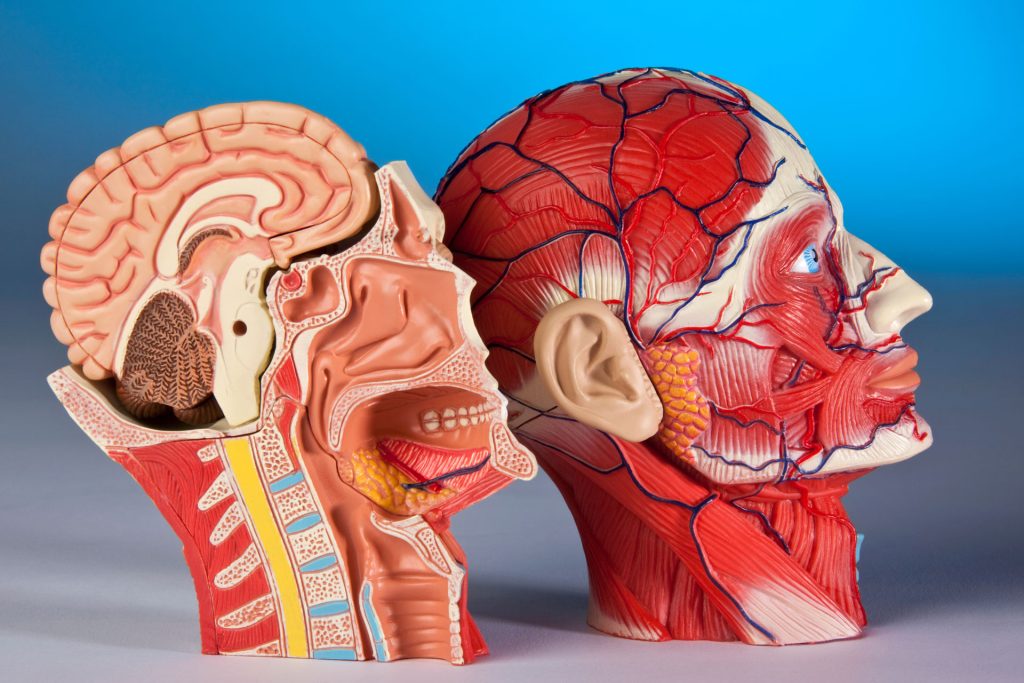
Genetic markers play a crucial role in understanding the underlying mechanisms of various neurological conditions. These markers provide insights into the origins of disorders, guide diagnostic processes, and open new avenues for personalized treatments. Neurofilaments, for instance, have emerged as essential biomarkers in assessing neuroaxonal damage. Found in cerebrospinal fluid (CSF) and blood, elevated levels of neurofilaments are associated with conditions like multiple sclerosis, Alzheimer’s disease, and Parkinson’s disease. Their ability to indicate ongoing neuronal injury allows researchers to monitor disease progression and evaluate treatment effectiveness.
Another critical area of study is the genetic markers linked to Alzheimer’s disease. For late-onset Alzheimer’s, the APOE ε4 allele is one of the most significant genetic risk factors. This allele has been extensively associated with amyloid plaque accumulation, a hallmark of the disease. Early-onset familial Alzheimer’s, on the other hand, is often tied to mutations in the APP, PSEN1, and PSEN2 genes, all of which affect amyloid-beta production and clearance.
Such advancements in identifying genetic markers provide more than diagnostic benefits. They also highlight potential targets for therapeutic intervention. For example, neurofilament measurements could aid in staging conditions like amyotrophic lateral sclerosis (ALS) and predicting patient outcomes. The continuous exploration of genetic markers not only deepens our understanding of complex neurological conditions but also guides the development of precision medicine approaches tailored to individual patterns of genetic risk.
By identifying and integrating these markers into clinical practice, the goal is to achieve earlier diagnoses, better management, and improved outcomes for individuals affected by neurological disorders.
Related: FAQs About Neurology Consultations in Columbia, MD
Inherited vs. Sporadic Neurological Conditions
Understanding the distinction between inherited and sporadic neurological conditions is essential for comprehending the genetic and environmental influences on these disorders. While both types can manifest similar symptoms, their origins and patterns differ significantly.
Key Characteristics of Inherited Neurological Conditions
- Genetic Transmission: These disorders result from mutations in specific genes, passed down through family lines. For example, Huntington’s disease follows an autosomal dominant inheritance pattern.
- Early Onset: Many inherited conditions, such as familial Alzheimer’s disease, present at a younger age compared to their sporadic counterparts.
- Clear Family History: Individuals often have a family pedigree with multiple affected members, indicating a hereditary link.
Characteristics of Sporadic Neurological Conditions
- No Family History: These occur without a hereditary component, often caused by environmental or unknown factors. For instance, most amyotrophic lateral sclerosis (ALS) cases are sporadic.
- Later Onset: Sporadic types typically appear later in life, such as late-onset Alzheimer’s disease.
- De Novo Mutations: While rare, new mutations can trigger conditions without a prior genetic lineage, as observed in some Creutzfeldt-Jakob disease cases.
The line between inherited and sporadic conditions can blur. Studies have revealed that even “sporadic” cases may involve genetic predispositions, highlighting the complexity of neurological conditions. Testing for familial or de novo mutations aids in accurate diagnosis. Understanding these distinctions drives progress in personalized medicine and targeted treatment strategies, providing hope for patients and their families.
Related: How a Neurologist Can Help with Seizures and Epilepsy Management
The Role of Genetic Testing in Diagnosing Neurological Conditions
Genetic testing has revolutionized the diagnosis and management of neurological conditions, enabling clinicians to pinpoint the genetic underpinnings of diseases with unprecedented precision. It offers a deeper understanding of hereditary and sporadic disorders, guiding both diagnosis and treatment.
Key Benefits of Genetic Testing in Neurological Conditions
- Accurate Diagnosis: Advanced genetic tools, such as next-generation sequencing and gene panels, enhance diagnostic accuracy for conditions like epilepsy and ataxia. Studies report diagnostic yields of up to 32%, improving clarity for complex cases.
- Personalized Medicine: Genetic insights allow tailored treatment strategies. For instance, detecting pathogenic mutations in conditions like Charcot-Marie-Tooth disease informs targeted therapies.
- Early Detection: Testing identifies individuals at risk for conditions like Huntington’s disease, enabling early interventions or monitoring.
- Reduced Misdiagnosis: By specifying genetic causes, testing mitigates unnecessary diagnostic procedures, saving time and resources.
- Family Planning and Risk Assessment: Testing aids in understanding hereditary risks, offering valuable information for family members.
Advancements in Testing Modalities
- Directed testing and specialized panels currently offer the highest diagnostic success rates. Exome sequencing provides broader applications for conditions without a clear clinical phenotype.
- Testing is increasingly accessible, proving effective regardless of age or disease stage.
Genetic testing not only clarifies disease origins but also fuels the shift toward precision medicine. For individuals with neurological conditions, it sets the stage for improved disease understanding and patient care, ultimately advancing the entire field of neurology.
Related: Managing Chronic Pain Conditions with Neurology Care in Columbia
The Role of Family History in Identifying Genetic Risks
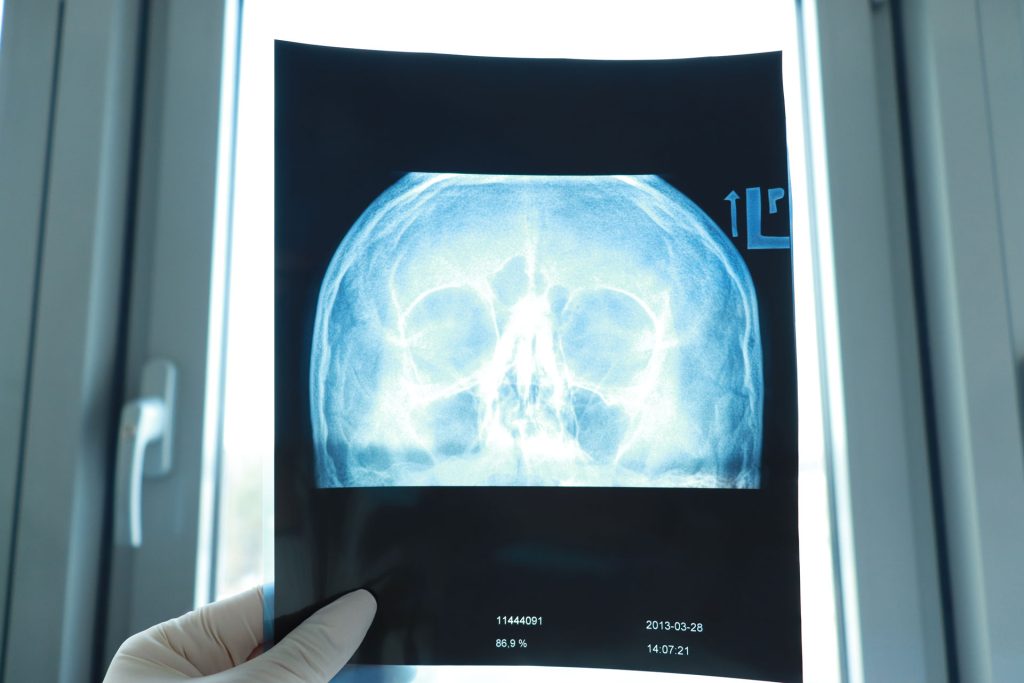
Family history provides a critical foundation for assessing genetic risks in neurological conditions, serving as a key tool to guide early diagnosis and proactive management. By understanding inherited patterns, physicians can better evaluate the likelihood of certain neurological disorders and tailor personalized care plans.
Why Family History Matters
- Early Detection and Prevention: A strong family history of neurological conditions, such as Parkinson’s disease or Huntington’s disease, can highlight at-risk individuals, allowing for early intervention.
- Guided Genetic Testing: When a pattern of inheritance is evident, genetic testing can confirm diagnoses and provide specific answers for individuals and families. For example, families affected by ALS may benefit from targeted gene-panel testing.
- Understanding Patterns of Risk: Family history offers insights into familial syndromes and overlapping conditions that may not be immediately apparent, ensuring holistic care.
- Improved Management: Identifying hereditary risks allows for personalized treatment strategies, especially for conditions like Charcot-Marie-Tooth disease or familial Alzheimer’s.
For expert guidance on neurological conditions in Columbia, Maryland, the Maryland Neuromuscular Center offers exceptional care under Dr. Fox, a triple-board certified neurologist and neuromuscular specialist. Dr. Fox’s specialization in genetically linked neuromuscular disorders exemplifies the importance of comprehensive evaluations that include family history.
Consulting a specialist ensures accurate diagnosis, informed by family history and genetic testing, fostering better outcomes and empowering patients with knowledge about their health and future risks. The Maryland Neuromuscular Center is dedicated to providing world-class care tailored to both individual and familial needs.