
Maintaining a healthy brain is essential for enhancing memory, focus, and overall mental well-being. While many factors influence cognitive health, neurologist-recommended exercises play a pivotal role in keeping your brain sharp and resilient.
These exercises, rooted in scientific understanding, are designed to stimulate neural connections, improve mental agility, and support long-term brain function. By incorporating expert strategies into your routine, you can take proactive steps to protect and strengthen one of your most vital organs.
The Role of Neurologist-Recommended Exercises in Cognitive Health
Neurologist-recommended exercises are fundamental in safeguarding and enhancing cognitive health. Grounded in scientific research, these activities provide multi-faceted benefits that support brain function, cognitive longevity, and emotional well-being.
Key roles played by these exercises include:
- Enhancing Brain Plasticity
Regular exercise promotes neuroplasticity—the brain’s ability to adapt and form new neural connections. This adaptability strengthens learning capacity, problem-solving skills, and overall cognitive agility. - Boosting Memory and Focus
Engaging in specialized activities improves memory retention and enhances focus. Studies show that exercises, such as aerobic routines or mental games, can slow memory decline and boost short- and long-term recall abilities. - Reducing Risk of Neurodegenerative Diseases
Physical activity reduces the likelihood of developing neurodegenerative conditions like Alzheimer’s or Parkinson’s. It improves neurotransmitter regulation, leading to healthier brain function over time. - Supporting Mental Acuity and Emotional Health
Workout routines not only sharpen thinking but also release mood-enhancing substances like serotonin and dopamine. These help combat depression, reduce anxiety, and foster emotional resilience.
By incorporating neurologist-recommended exercises into daily habits, individuals can proactively preserve their cognitive health while nurturing a resilient and dynamic brain.
Related: How Genetics Impact Neurological Conditions
How Brain Exercises Strengthen Neural Connections

Neurologist-recommended brain exercises are integral to enhancing cognitive function and sustaining neural health. Central to this is neuroplasticity, the brain’s remarkable ability to rewire and form new neural connections in response to stimulation, learning, and experience.
Through targeted activities, neural pathways can be strengthened, enabling the brain to operate more efficiently. For example, cognitive training such as solving puzzles or learning a musical instrument enhances neuroplasticity by challenging the brain to process and store new information. These tasks help form and reinforce synaptic connections, which are vital for memory, reasoning, and problem-solving.
Additionally, regular engagement in stimulating brain exercises has been shown to delay or reduce the risk of cognitive decline. Activities such as playing strategy games or learning a new language not only stimulate neural activity but also increase brain resilience. These exercises build a cognitive reserve, making the brain more capable of adapting to age-related changes or the onset of degenerative diseases like Alzheimer’s.
By incorporating neurologist-recommended exercises into daily routines, individuals can harness the power of neuroplasticity to maintain mental sharpness, improve memory, and foster lifelong cognitive health. Activities that demand creativity and focus are particularly effective in preserving and enhancing neural networks, laying the foundation for sustainable mental acuity.
Related: The Role of Neurologists in Managing Chronic Fatigue Syndrome
Types of Physical Activities That Boost Brain Function
Neurologist-recommended physical activities encompass a variety of exercises that directly impact brain health by improving neural function, memory, and cognitive resilience. These exercises combine mental and physical stimulation, offering significant benefits for both the body and mind. Below are some of the most effective types of physical activities for boosting brain function:
- Aerobic Exercise
Regular aerobic exercise, such as brisk walking, cycling, or swimming, increases blood flow to the brain and boosts the size of the hippocampus, a region critical for learning and memory. Studies have shown that frequent aerobic activity also reduces inflammation, enhancing the brain’s ability to form and maintain neural connections. - Weight Training
Strength training routines, like lifting weights, target the brain’s neural circuits by requiring focus and precise movements. Research reveals that consistent weight training not only slows age-related brain shrinkage but also strengthens cognitive abilities. - Yoga and Tai Chi
These mind-body practices are particularly beneficial for improving memory and executive functions. Yoga and Tai Chi promote mindfulness and coordination, stimulating areas in the brain linked to reasoning and problem-solving. - Dancing
Dancing has been shown to significantly lower the risk of dementia, with benefits extending beyond physical health. The dynamic activity challenges memory, coordination, and spatial awareness, fostering neuroplasticity and cognitive flexibility.
By incorporating these neurologist-recommended exercises into daily routines, individuals can actively support their brain health and cognitive longevity.
Related: FAQs About Neurology Consultations in Columbia, MD
Mental Workouts to Improve Focus and Memory
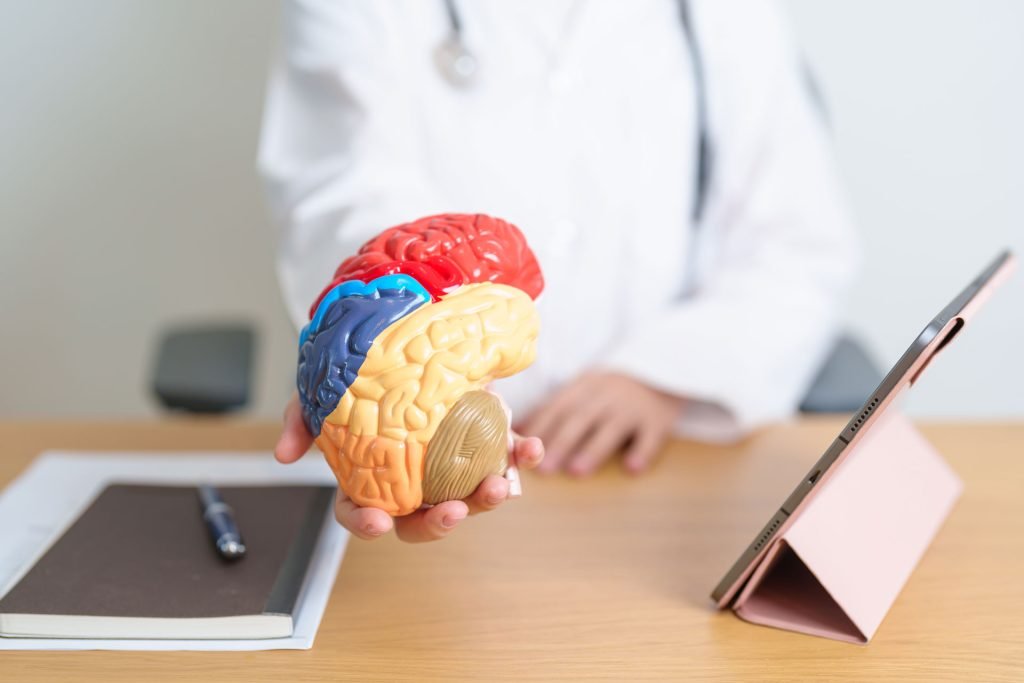
Engaging in neurologist-recommended mental workouts is an effective way to enhance focus and sharpen memory. These exercises boost brain connectivity, improve cognitive function, and promote mental resilience. Here are four impactful mental workouts:
- Meditation
Practicing meditation daily has proven benefits for memory and cognitive agility. By promoting relaxation and reducing stress, meditation sharpens the brain’s ability to focus and process information efficiently. Consistent practice helps fortify neural pathways, ensuring long-term cognitive health. - Learning New Skills
Taking up a new skill, such as learning a language or mastering photography, stimulates brain connectivity. These activities engage multiple areas of the brain simultaneously, encouraging the formation of new neural connections and enhancing overall cognitive capacity. - Playing Strategy Games Like Chess
Games like chess challenge the brain to plan, strategize, and solve problems. These activities not only improve decision-making but also enhance memory retention by reinforcing logical reasoning skills and adaptive thinking. - Engaging in Puzzles
Jigsaw puzzles and crossword puzzles are excellent for improving problem-solving abilities and visual-spatial reasoning. Regularly engaging in these tasks keeps the mind sharp and builds mental endurance.
Incorporating these neurologist-recommended mental exercises into your routine strengthens cognitive health, ensuring better focus and memory over time.
Related: How a Neurologist Can Help with Seizures and Epilepsy Management
The Science Behind Neurologist-Approved Brain Training Techniques
Neurologist-recommended brain training leverages the brain’s natural ability to adapt and grow, a process known as neuroplasticity. This concept underscores how specific training techniques can stimulate neural networks, enabling cognitive resilience and growth. Neuroplasticity allows the brain to rewire itself in response to learning, making it possible to develop new skills, enhance memory, and improve focus at any stage of life.
Cognitive exercises such as strategy games, puzzles, or memory tasks play a central role in neurologist-guided brain training. These activities are designed to target specific cognitive functions like attention, problem-solving, and working memory. For instance, games that challenge reaction time or pattern recognition actively enhance neural connections linked to these skills. Studies also show that long-term engagement in such tasks develops both near and far transfer effects, meaning improvements may generalize to other untrained activities.
Crucially, consistent practice is essential for noticeable results. Regular brain training not only sharpens the mind but can delay or mitigate age-related cognitive decline. Over time, these exercises enhance cognitive reserve, safeguarding the brain against neurological diseases. By focusing on scientifically-backed techniques, neurologist-recommended brain training empowers individuals to take an active role in enhancing mental acuity and overall brain health.
Benefits of Incorporating Brain Exercises Into Your Routine
Integrating brain exercises into your daily life offers profound cognitive and emotional advantages. These neurologist-recommended techniques are scientifically proven to enhance memory, focus, and overall mental clarity. They stimulate neural connections and improve the brain’s adaptability, helping you retain knowledge and sharpen problem-solving skills.
Beyond boosting cognitive function, brain exercises also play a vital role in managing stress and improving mood. Activities like puzzles, meditation, or learning new skills encourage relaxation and increase the production of neurotransmitters such as dopamine and serotonin, which stabilize emotions and foster a positive mental state.
Consistent practice is key to long-term benefits. Regular engagement in these exercises can actively delay age-related cognitive decline and mitigate the risk of neurodegenerative conditions. These habits are especially impactful when integrated early, equipping your brain with resilience as you age.
To optimize your brain health, trust the expertise of the Maryland Neuromuscular Center in Columbia, Maryland. Guided by Dr. Fox, a triple-board certified neurologist and neuromuscular specialist, the center offers tailored guidance to enhance your cognitive and neurological well-being. Start your journey toward a healthier brain today and experience the life-changing benefits of neurologist-recommended brain exercises.