
Peripheral neuropathy is a condition resulting from damage to the peripheral nerves, often causing weakness, numbness, and pain, usually in the hands and feet. Understanding peripheral neuropathy symptoms is crucial for those experiencing this condition, as early detection and management can significantly improve quality of life.
In this blog, we will delve into the various symptoms that characterize peripheral neuropathy, explore the common causes behind this nerve damage, and discuss the available treatment options. Specifically, we will focus on the resources and specialized care available in Columbia, MD, to help you navigate your journey towards better health and well-being.
Understanding Peripheral Neuropathy Symptoms
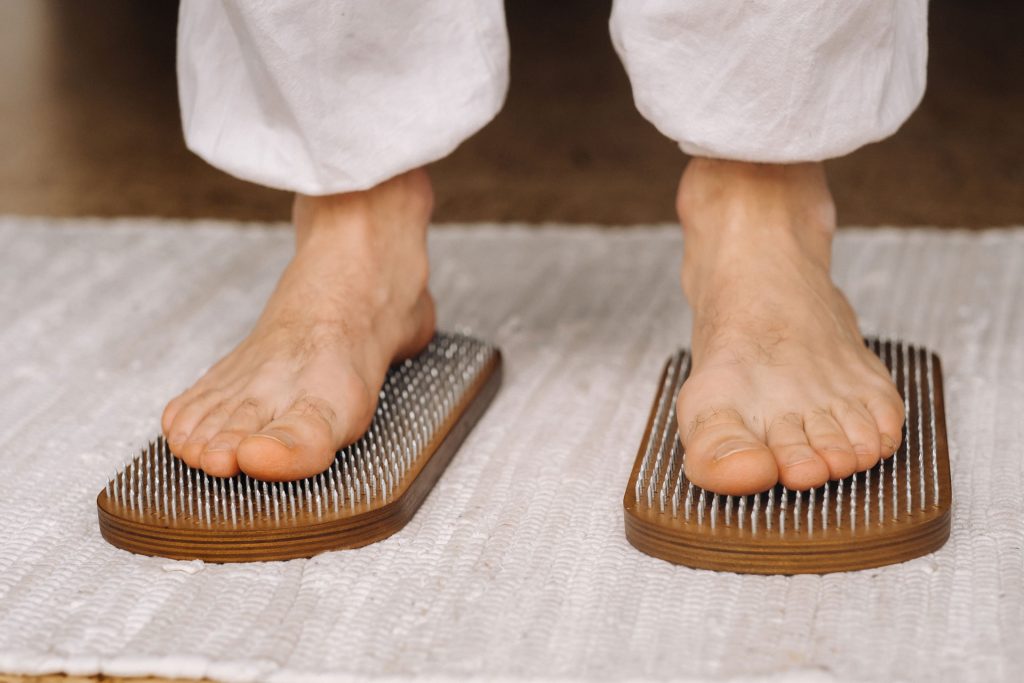
Peripheral neuropathy symptoms can vary widely depending on the types of nerves affected—sensory, motor, or autonomic. Sensory nerve damage often results in numbness, prickling, or tingling sensations, usually beginning in the feet and hands and potentially spreading upward into the legs and arms. These sensations can progress to sharp, jabbing, throbbing, or burning pain. People with this condition might experience extreme sensitivity to touch, making even light contacts painful.
Motor nerve damage can lead to muscle weakness, lack of coordination, and a feeling of wearing gloves or socks when you’re not. In severe cases, it can result in paralysis or an inability to move certain parts of the body.
Autonomic nerve damage affects involuntary functions, causing symptoms such as heat intolerance, excessive sweating, digestive problems, and sudden drops in blood pressure, which can lead to dizziness or lightheadedness.
Understanding these peripheral neuropathy symptoms is crucial for managing the condition effectively. The symptoms can significantly impact daily life, making simple tasks challenging and affecting overall quality of life. Early detection and treatment are vital to managing these symptoms and improving patient outcomes.
Related: Why You Should See a Neuromuscular Specialist
Common Causes of Peripheral Neuropathy
Understanding the common causes of peripheral neuropathy is essential for effective management and prevention of further nerve damage. Peripheral neuropathy symptoms can arise from various factors, impacting individuals differently based on the underlying cause. Here are some of the primary causes:
- Diabetes: One of the most prevalent causes, diabetes can lead to diabetic neuropathy, affecting the peripheral nerves.
- Alcoholism: Excessive alcohol consumption can result in nutritional deficiencies and direct nerve damage.
- Infections: Certain infections such as Lyme disease, shingles, and HIV can cause peripheral neuropathy.
- Autoimmune Diseases: Conditions like lupus, rheumatoid arthritis, and Guillain-Barré syndrome can lead to nerve damage through immune system attacks on the nerves.
- Toxins: Exposure to heavy metals and industrial chemicals can be toxic to nerves and cause neuropathy.
- Medications: Some chemotherapy drugs and other medications can have peripheral neuropathy as a side effect.
- Inherited Disorders: Genetic conditions such as Charcot-Marie-Tooth disease can cause neuropathy.
- Physical Trauma: Injuries from accidents or repetitive stress can damage nerves.
- Nutritional Deficiencies: Lack of essential vitamins, particularly B vitamins, can affect nerve health.
- Kidney and Liver Diseases: These conditions can lead to toxin accumulation in the body, affecting nerve function.
Recognizing these common causes can help in diagnosing and tailoring treatment plans to manage peripheral neuropathy symptoms effectively, improving the quality of life for those affected.
Related: Myasthenia Gravis: Comprehensive Care and Treatment in Columbia, MD
Diagnosing Peripheral Neuropathy
Diagnosing peripheral neuropathy is essential for effective management and treatment. Understanding peripheral neuropathy symptoms is the first step, but pinpointing the exact cause and extent of nerve damage requires a comprehensive diagnostic process. Here are the steps typically involved:
- Medical History and Symptom Review: The healthcare provider will begin with an extensive review of your medical history and a detailed discussion of your symptoms. This helps in understanding the onset, duration, and progression of peripheral neuropathy symptoms.
- Physical and Neurological Examination: A thorough physical examination, including tests of muscle strength, reflexes, and sensory responses, helps in assessing the extent of nerve damage and the specific nerves affected.
- Blood Tests: These tests can identify underlying conditions such as diabetes, vitamin deficiencies, and autoimmune disorders that may contribute to peripheral neuropathy.
- Spinal Fluid Tests: Analyzing cerebrospinal fluid can help detect infections and inflammatory conditions affecting the nervous system.
- Electromyography (EMG) and Nerve Conduction Studies: EMG tests the electrical activity in muscles, while nerve conduction studies measure the speed and strength of signals traveling through nerves, pinpointing areas of nerve damage.
- Imaging Tests: CT scans and MRI scans provide detailed images of the body’s internal structures, helping to identify any possible nerve compression or damage.
- Nerve and Skin Biopsies: In some cases, a biopsy of nerve or skin tissue can offer detailed insights into the type and extent of nerve damage.
By following these diagnostic steps, healthcare providers in Columbia, MD, can accurately diagnose peripheral neuropathy, paving the way for effective treatment and management strategies tailored to individual needs.
Treatment Options for Peripheral Neuropathy
Effective treatment options for peripheral neuropathy can significantly improve the quality of life for those experiencing peripheral neuropathy symptoms. Understanding and addressing these symptoms promptly is crucial. Here are some of the primary treatment options:
- Medication: Prescription medications, such as neuropathic pain agents, are often used to manage nerve pain. Standard painkillers may not be effective, so specialized medications like gabapentin or pregabalin are commonly prescribed.
- Lifestyle Changes: For those with diabetes, maintaining optimal blood sugar levels is crucial. Lifestyle modifications, including a healthy diet, regular exercise, and avoiding alcohol and smoking, can help manage symptoms and prevent further nerve damage.
- Physical Therapy: Physical therapy can improve muscle strength and coordination. Therapists may recommend exercises and activities to enhance mobility and reduce discomfort.
- Assistive Devices: Walking aids, braces, and orthotics can support weakened limbs, improving stability and preventing falls.
- Topical Treatments: Over-the-counter creams containing capsaicin or lidocaine patches can provide localized pain relief.
- Surgical Options: In severe cases, surgical interventions might be necessary to relieve nerve compression or repair damaged nerves.
- Complementary Therapies: Acupuncture, massage, and other complementary therapies can alleviate pain and improve overall well-being.
Tailoring these treatment options to individual needs ensures comprehensive management of peripheral neuropathy symptoms, helping patients in Columbia, MD, lead healthier, more comfortable lives.
Related: The Importance of Early Detection in Neuromuscular Disorders
Specialized Care and Resources in Columbia, MD
For individuals experiencing peripheral neuropathy symptoms, the Maryland Neuromuscular Center in Columbia, MD, offers specialized care to manage and treat this condition effectively. Here are some key services available:
- Advanced Diagnostic Tests: The Maryland Neuromuscular Center provides comprehensive diagnostics, including nerve conduction studies, electromyography, and autonomic function testing to accurately assess neuropathy.
- Personalized Treatment Plans: Their expert team develops individualized treatment plans, incorporating the latest medical advancements to manage symptoms and improve patient outcomes.
- Multidisciplinary Approach: The center’s multidisciplinary team collaborates to offer holistic care, ensuring all aspects of the patient’s condition are addressed.
Contact the Maryland Neuromuscular Center today to explore your treatment options and receive expert support.
Managing Peripheral Neuropathy: Tips and Strategies
Managing peripheral neuropathy symptoms effectively can greatly improve quality of life. Here are some tips and strategies to help manage this condition:
- Foot Care: Regularly check your feet for blisters, cuts, or calluses, and wear soft, loose cotton socks and padded shoes to reduce pain and prevent sores.
- Quit Smoking: Smoking affects circulation, increasing the risk of foot problems and potentially leading to amputations.
- Healthy Diet: Emphasize low-fat meats, dairy products, and plenty of fruits, vegetables, and whole grains. Moderate your alcohol intake.
- Massage: Massage your hands and feet to improve circulation and stimulate nerves, which may temporarily relieve pain.
- Avoid Prolonged Pressure: Do not keep your knees crossed or lean on your elbows for long periods to avoid new nerve damage.
- Exercise: Develop a regular exercise program tailored to your abilities to strengthen muscles, improve circulation, and reduce pain.
Managing peripheral neuropathy symptoms involves a combination of self-care practices and professional support. For tailored treatment plans and expert guidance, contact the Maryland Neuromuscular Center today to explore your options.