
Myopathy is a neuromuscular disorder characterized by muscle weakness and dysfunction, impacting the quality of life for those affected. Understanding the comprehensive treatment options available is essential for individuals seeking effective management strategies.
Columbia, renowned for its advanced medical practices, provides a comprehensive array of myopathy treatments tailored to meet the varied needs of patients. This exploration delves into both cutting-edge developments and time-tested methods in the field of myopathy treatment, equipping patients and caregivers with crucial insights to make well-informed decisions about their healthcare journey.
Understanding Myopathy: Causes, Symptoms, and Diagnosis
Myopathy, a neuromuscular disorder, manifests as muscle weakness and dysfunction, significantly affecting daily life. Understanding its causes, symptoms, and diagnostic processes is crucial for effective management.
Causes of Myopathy:
- Genetic Factors: Some myopathies are inherited, resulting from mutations in genes responsible for muscle function.
- Inflammatory Conditions: Autoimmune disorders can lead to inflammation in muscle tissues, causing weakness.
- Metabolic Imbalances: Deficiencies or dysfunctions in metabolic pathways may impair muscle energy production.
- Infections and Toxins: Viral infections or exposure to certain toxins and medications can damage muscle fibers.
Symptoms of Myopathy:
- Muscle Weakness: The primary symptom, often affecting the proximal muscles such as those in the shoulders and hips.
- Muscle Pain and Cramps: Discomfort and cramping during physical activity.
- Fatigue: Persistent tiredness and reduced endurance.
- Muscle Atrophy: Thinning or loss of muscle mass due to inactivity or damage.
Diagnostic Methods:
- Clinical Evaluation: A thorough physical examination to assess muscle strength and reflexes.
- Blood Tests: Checking for elevated levels of muscle enzymes, which indicate muscle damage.
- Electromyography (EMG): Measures electrical activity in muscles to detect abnormalities.
- Muscle Biopsy: A sample of muscle tissue may be analyzed to identify specific myopathy types.
- Genetic Testing: Identifies hereditary myopathies by analyzing DNA for mutations.
A comprehensive understanding of these factors equips patients and caregivers with the knowledge to pursue appropriate treatment options and enhance quality of life.
Related: Peripheral Neuropathy: Symptoms, Causes, and Treatment in Columbia, MD
Overview of Myopathy Treatment Options
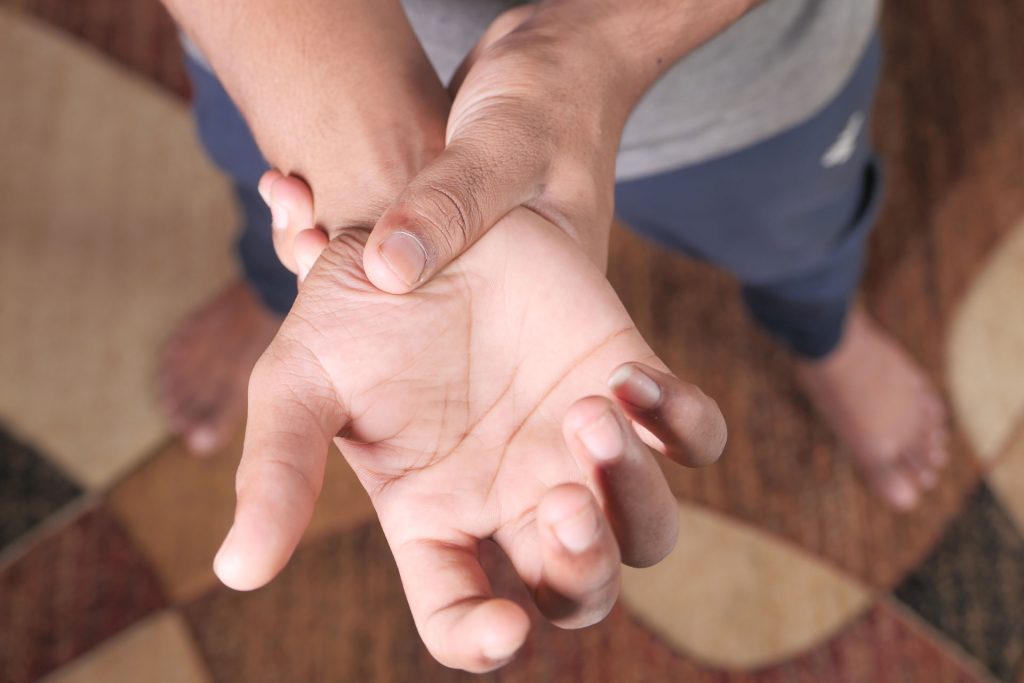
Understanding the range of treatment options for myopathy is crucial for managing symptoms and improving quality of life. Columbia provides an array of therapies tailored to meet the diverse needs of myopathy patients. Here’s an overview of the primary treatment strategies:
- Medications: Anti-inflammatory drugs and immunosuppressants are often prescribed to manage symptoms associated with inflammatory myopathies. In cases of metabolic myopathy, enzyme replacement therapies may be considered to address specific deficiencies.
- Physical Therapy: Designed to restore muscle strength and improve mobility, physical therapy is a cornerstone in myopathy treatment. Customized exercise programs help patients maintain muscle function and prevent atrophy.
- Occupational Therapy: This involves teaching patients how to modify their daily activities to accommodate their physical limitations, thus promoting independence and enhancing quality of life.
- Dietary Modifications: Nutritional support, including vitamin and mineral supplementation, is vital for managing metabolic imbalances and supporting overall muscle health.
- Surgical Interventions: In some cases, surgery may be necessary to correct or improve musculoskeletal abnormalities resulting from myopathy.
- Lifestyle Changes: Incorporating healthy lifestyle habits, such as regular low-impact exercise and stress management techniques, can significantly contribute to symptom management and overall wellbeing.
These treatment options, supported by ongoing medical supervision, empower patients to actively participate in their healthcare journey and make informed decisions about their treatment plans.
Related: Why You Should See a Neuromuscular Specialist
Physical Therapy and Rehabilitation Approaches
Physical therapy and rehabilitation are essential components in the management of myopathy, offering significant improvements in muscle strength, flexibility, and overall quality of life. Here’s an overview of key rehabilitation strategies:
- Strength Training: Incorporating resistance exercises helps to enhance muscle strength and endurance, countering the muscle weakness characteristic of myopathy. Tailored programs are designed to prevent overexertion while maximizing gains.
- Aerobic Exercise: Low-impact activities such as walking, swimming, or cycling are recommended to improve cardiovascular health and increase energy levels. These exercises are crucial for maintaining endurance without overstraining the muscles.
- Flexibility Exercises: Stretching routines are vital for maintaining joint range of motion and minimizing stiffness. Regular stretching can prevent contractures and support overall mobility.
- Balance and Coordination Training: Exercises focusing on balance help reduce the risk of falls and improve coordination. This type of training is particularly beneficial for those experiencing significant muscle weakness.
- Occupational Therapy: This approach assists patients in adapting daily activities to their physical capabilities. Therapists work with individuals to develop strategies that enhance independence and efficiency in daily tasks.
By engaging in these structured rehabilitation programs under professional guidance, myopathy patients can achieve better functional outcomes and improve their daily living activities.
Related: Myasthenia Gravis: Comprehensive Care and Treatment in Columbia, MD
Psychological Support and Counseling Resources for Patients and Caregivers
Psychological support and counseling are vital for individuals with myopathy and their caregivers, as they navigate the emotional and mental challenges associated with the condition. Here’s an overview of essential resources available:
- Individual Counseling: Engaging with a mental health professional can help patients and caregivers manage stress, anxiety, and depression through tailored therapeutic approaches.
- Support Groups: Joining a support group provides a platform for sharing experiences and coping strategies. These groups offer a sense of community and understanding among individuals facing similar challenges.
- Family Therapy: Myopathy affects not just the individual but their family as well. Family therapy sessions focus on improving communication and strengthening relationships within the household.
- Online Resources: Digital platforms offer access to educational materials, forums, and webinars that provide insights into living with myopathy, all accessible from the comfort of home.
- Mindfulness and Relaxation Techniques: Practicing mindfulness, meditation, and relaxation exercises can alleviate stress and improve overall emotional well-being.
For comprehensive psychological support services and personalized counseling, consider reaching out to the Maryland Neuromuscular Center. Their expert team is dedicated to enhancing the mental and emotional health of myopathy patients and their families.
Related: The Importance of Early Detection in Neuromuscular Disorders