
Navigating the complexities of neuromuscular disorders can be daunting, often leaving individuals and their families searching for specialized care. Neuromuscular specialists are medical professionals with advanced training in diagnosing and treating conditions that affect the muscles and the nerves controlling them.
If you’re experiencing symptoms like muscle weakness, cramps, or neurological issues, consulting with a neuromuscular specialist could be a critical step towards effective treatment and improved quality of life. Understanding their expertise and the unique treatments they offer can empower you to make informed decisions about your health care journey.
Understanding Neuromuscular Disorders
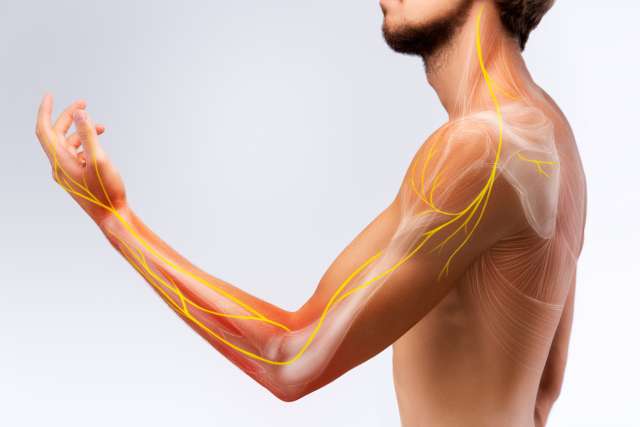
Neuromuscular specialists are crucial in diagnosing and managing these complex conditions, which can range from genetic disorders like muscular dystrophies to autoimmune diseases such as myasthenia gravis. A specialist’s expertise ensures accurate diagnosis and customized treatment plans that address the unique needs of each patient. Early consultation with a neuromuscular specialist can lead to better outcomes by slowing disease progression and improving quality of life.
Role of a Neuromuscular Specialist
A neuromuscular specialist plays a pivotal role in the diagnosis and management of neuromuscular disorders, which include conditions like muscular dystrophy, ALS, and neuropathy. A Neurologist who is fellowship trained in Neuromuscular disorders has advanced expertise of conditions related to nerve and muscle problems. It is important to avoid delay in diagnosis, as getting to see the appropriate doctor often takes months if not years unfortunately.
Their diagnostic process often involves sophisticated tests such as electromyography (EMG) and nerve conduction studies to pinpoint the exact nature and extent of the disorder. Once diagnosed, neuromuscular specialists tailor treatment plans to each patient’s unique needs, which may include medication, physical therapy, and, in some cases, surgical intervention. By leveraging their specialized knowledge, these experts aim to slow disease progression, alleviate symptoms, and enhance patients’ quality of life.
Related: Myasthenia Gravis: Comprehensive Care and Treatment in Columbia, MD
When to See a Neuromuscular Specialist
Recognizing when to consult a neuromuscular specialist can be crucial for early diagnosis and effective management of neuromuscular disorders. Individuals experiencing specific symptoms that affect their muscles and nerves should consider seeking specialized care. Here are key indicators that it might be time to see a neuromuscular specialist:
- Persistent Muscle Weakness: If you notice a progressive muscle weakness, it could be a sign of a nerve or muscle disorder.
- Numbness or Tingling Sensations: Chronic numbness or tingling in your hands, feet, or other parts of your body may indicate neuropathies, which require specialized diagnosis and treatment.
- Muscle Cramps and Spasticity: Frequent muscle cramps or stiffness, can be symptoms of motor neuron disease (i.e. ALS) or another disorder.
- Unexplained Muscle Wastage: Noticing significant muscle loss without a clear cause warrants a visit to a neuromuscular specialist to rule out serious underlying issues.
- Difficulty Swallowing or Breathing: These could be symptoms of advanced neuromuscular disorders and should be addressed immediately by a specialist.
- Family History of Neuromuscular Disorders: If you have a family history of these conditions, proactive consultation with a specialist can help in early detection and preventive care.
Consulting a neuromuscular specialist early can lead to more accurate diagnosis and tailored treatment plans, improving overall outcomes and quality of life.
Diagnostic Procedures
Diagnostic procedures play an essential role in accurately identifying neuromuscular disorders, enabling neuromuscular specialists to develop effective treatment plans. Here are the key diagnostic tests and evaluations commonly used:
- Blood Tests: These tests often check for elevated enzyme levels, such as creatine kinase (CK), which can indicate muscle damage.
- Electrodiagnostic Tests: Procedures like electromyography (EMG) and nerve conduction studies measure electrical activity in muscles and nerves to detect abnormalities.
- Genetic Testing: Identifying specific genetic mutations through genetic testing can help diagnose hereditary neuromuscular disorders, such as certain types of muscular dystrophy.
- Magnetic Resonance Imaging (MRI): MRI scans of the brain and spinal cord provide detailed images that can reveal structural issues affecting the nervous system.
- Lumbar Puncture (Spinal Tap): This test involves analyzing cerebrospinal fluid to detect infections or other conditions that might impact the nervous system.
- Nerve and Muscle Biopsy: A small sample of nerve or muscle tissue is examined under a microscope to identify any cellular abnormalities.
- Physical and Neurological Examinations: Comprehensive physical exams and neurological assessments help in evaluating muscle strength, reflexes, and coordination.
- Neuromuscular Ultrasound: Use of non-invasive imaging with ultrasound technology to visualize the nerve and/or muscle. This important tool can aid in diagnosis of disorders.
Each of these diagnostic tools allows neuromuscular specialists to pinpoint the cause of symptoms and tailor treatments specifically to the patient’s needs. Early and accurate diagnosis is crucial for managing the progression of neuromuscular disorders and improving overall quality of life.
Related: The Importance of Early Detection in Neuromuscular Disorders
Treatment Options
Neuromuscular specialists offer a variety of treatment options tailored to manage symptoms, slow disease progression, and improve patients’ quality of life. Here are some of the primary treatments available:
- Physical Therapy: Aims to restore muscle tone, improve motor skills, and enhance mobility.
- Occupational Therapy: Focuses on helping patients perform daily activities more efficiently and safely.
- Assistive Devices: Includes braces, wheelchairs, and other tools to aid mobility and independence.
- Immunoglobulin Therapy: Use of Intravenous Immunoglobulin (IVIg) or Subcutaneous Immunoglobulin (SCIg) has been used to treat autoimmune neurological disorders effectively.
- Surgical Treatments: Surgery may be required for conditions such as myasthenia gravis and neuropathy. Advanced techniques like robotic surgery are also available.
- Speech Therapy: Beneficial for patients experiencing difficulties with speech and swallowing.
- Research and Experimental Treatments: Ongoing research is exploring genetic therapies and new medications with the hope of finding a cure.
- Immunotherapy: There are many new options for immune modulating treatment to help control autoimmune neurological disorders as the body’s immune system can attack the nerves and or muscles.
Consulting with a neuromuscular specialist ensures access to these comprehensive treatment options, providing the best possible care for individuals with neuromuscular disorders.
Benefits of Specialized Care
Seeking specialized care from a neuromuscular specialist offers numerous benefits for individuals experiencing symptoms of neuromuscular disorders. These healthcare professionals provide targeted expertise and advanced treatments that can significantly improve patient outcomes. Here are the key benefits:
- Accurate Diagnosis: Neuromuscular specialists have extensive training and access to the latest diagnostic tools to accurately identify neuromuscular disorders.
- Personalized Treatment Plans: These specialists develop customized treatment strategies tailored to each patient’s unique condition, which can include medications, physical therapy, and innovative procedures.
- Multidisciplinary Approach: Comprehensive care often involves a team of experts, including physical, occupational, and speech therapists, social workers, in collaboration with the primary care physician (PCP) and other specialist. This coordinated approach helps ensure all aspects of the patient’s condition are addressed.
- Access to Advanced Therapies: Patients benefit from the latest advancements in neuromuscular medicine, including cutting-edge treatments and clinical trials that may not be available through general healthcare providers.
- Ongoing Support and Monitoring: Regular follow-ups with a neuromuscular specialist facilitate continuous monitoring and adjustment of treatment plans, helping to manage symptoms effectively and slow disease progression.
- Improved Quality of Life: Specialized care aims to enhance daily functioning and overall well-being, allowing patients to lead more active and fulfilling lives despite their condition.
By consulting a neuromuscular specialist, patients receive the highest level of care, maximizing their chances for better health outcomes and improved quality of life.
Finding the Right Specialist
Finding the right neuromuscular specialist is crucial for effectively managing and treating neuromuscular disorders. Here are some key steps and considerations to help you choose the best specialist for your needs:
- Referrals and Recommendations: Start by asking your primary care physician for referrals. Friends, family members, or other healthcare providers may also have recommendations.
- Research Credentials and Experience: Look for specialists who are board-certified in neuromuscular medicine and have extensive experience treating conditions similar to yours. This ensures they possess the necessary expertise to provide high-quality care.
- Evaluate Hospital Quality: Consider the quality of care provided by the hospital where the specialist practices. Top-rated hospitals often have better outcomes and access to advanced treatments.
- Consult Reviews and Patient Feedback: Read patient reviews and testimonials to gauge the experiences of others. This can provide insights into the specialist’s approach and effectiveness.
- Accessibility and Convenience: Ensure the specialist’s location and office hours are convenient for you. Regular visits may be necessary, so choosing a nearby specialist can save time and reduce stress.
- Schedule a Consultation: Meet with the specialist to discuss your symptoms and treatment options. This is an opportunity to evaluate their communication style and comfort level with managing your condition.
For residents in Maryland, consider scheduling a consultation at the Maryland Neuromuscular Center with Dr. Derrick Fox, a highly regarded neuromuscular specialist known for his patient-centered care and expertise.