
A neurologist plays a pivotal role in addressing one of the most pressing health concerns—strokes. These highly trained specialists focus on the intricate workings of the brain and nervous system, making them essential in both reducing the risk of strokes and aiding recovery. With their expertise, neurologists not only identify early warning signs but also deliver personalized strategies to prevent strokes from occurring.
Additionally, they guide patients through rehabilitation, employing evidence-based treatments to maximize recovery outcomes. Understanding the contributions of a neurologist is key to appreciating how they enhance both prevention and post-stroke care, improving quality of life for countless individuals.
Understanding the Expertise of a Neurologist in Stroke Care
A neurologist possesses deep knowledge and specialized training that make them integral to managing stroke care. From preventing strokes to guiding recovery, their expertise covers every stage of care and plays a critical role in improving outcomes for patients. Here are some key aspects of their expertise:
- Early Detection and Risk Assessment
Neurologists excel in identifying neurological symptoms that signal an increased risk for stroke. They use a combination of detailed patient history, physical exams, and diagnostic tools such as brain imaging and bloodwork to assess risks like hypertension, diabetes, and lifestyle factors. - Comprehensive Stroke Management
During an acute stroke, neurologists rapidly identify the type and severity of the condition, offering immediate treatment such as administering clot-dissolving medication or coordinating surgical interventions. Their ability to tailor treatments based on stroke subtypes ensures targeted and effective care. - Rehabilitation and Recovery Support
Post-stroke, neurologists collaborate with specialists in physical therapy, neuro-rehabilitation, and speech therapy to design recovery plans. This multidisciplinary approach helps patients regain mobility, cognitive function, and independence. - Long-Term Prevention
Stroke prevention is where a neurologist’s role extends beyond immediate care. They focus on managing chronic conditions like high blood pressure and promoting lifestyle changes including healthy eating, exercise, and avoiding smoking or excessive alcohol use.
With their advanced training and collaborative approach, neurologists are uniquely equipped to handle the complexities of stroke care. Their expertise ensures patients receive personalized care from prevention through recovery, dramatically improving quality of life.
Related: The Importance of Early Diagnosis in Neurological Conditions
Key Risk Factors for Strokes and How Neurologists Address Them
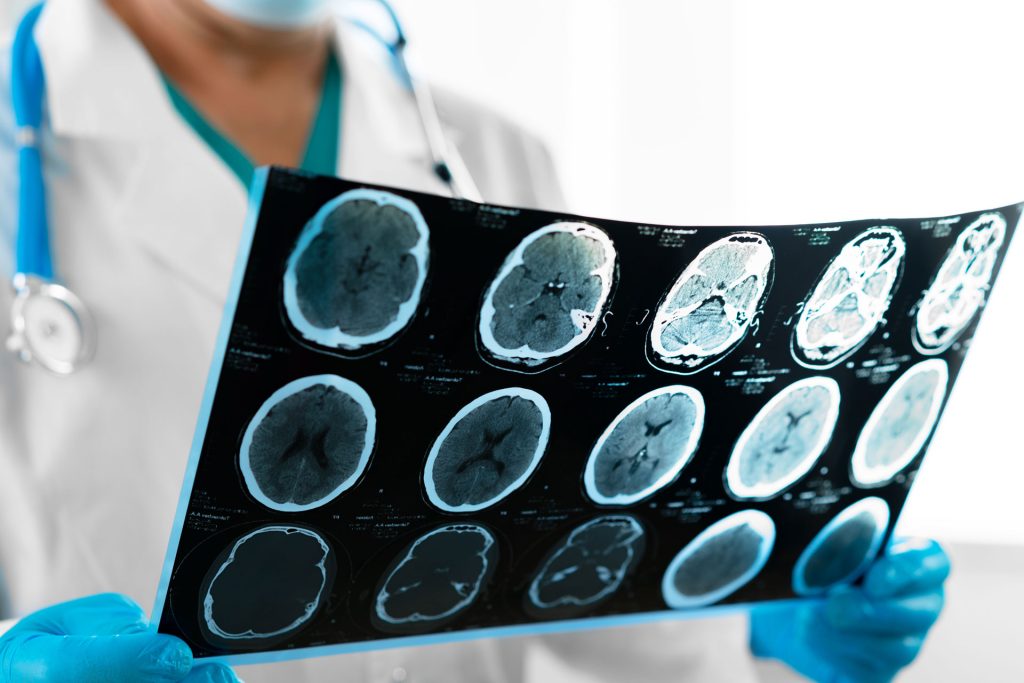
Strokes result from a complex interplay of medical, lifestyle, and genetic factors. Identifying these risk factors is essential to both prevention and effective treatment. A neurologist, with their advanced training, plays a pivotal role in managing and mitigating these risks. Here are some key stroke risk factors and how neurologists address them:
- High Blood Pressure
High blood pressure is the leading cause of strokes. Neurologists work closely with patients to manage hypertension through tailored treatments, lifestyle counseling, and medications aimed at keeping blood pressure levels in a healthy range. - Diabetes
Patients with diabetes are at a heightened risk for strokes due to elevated blood sugar levels. Neurologists help patients control their glucose levels and address related conditions such as obesity and high cholesterol, both of which contribute to stroke risk. - High Cholesterol
Excess cholesterol builds up in the arteries and increases the likelihood of blockages leading to strokes. Neurologists utilize diagnostic tools such as blood tests and provide guidance on dietary adjustments, exercise routines, and cholesterol-lowering treatments. - Smoking and Alcohol Use
Smoking damages blood vessels, while excessive alcohol use raises blood pressure and cholesterol. Neurologists often counsel patients on quitting smoking and moderating alcohol consumption as part of a customized prevention plan. - Family History and Genetics
A family history of strokes can amplify risk. While genetics can’t be changed, neurologists emphasize early screenings and preventive measures for at-risk individuals.
By addressing these factors through a multidisciplinary approach, neurologists not only minimize stroke risk but also improve overall patient health and longevity. Their expertise ensures that each patient receives a personalized prevention plan.
Related: The Connection Between Neurology and Spine Health
Early Warning Signs of a Stroke You Should Never Ignore
Recognizing the early warning signs of a stroke is critical for ensuring timely intervention, which can save lives and minimize long-term impact. Neurologists emphasize the importance of identifying and acting on these symptoms rapidly. Here are the key signs everyone should be aware of:
- Face Drooping
Sudden numbness or weakness in the face, often on one side, is a common symptom. Ask the person to smile—if one side droops, it’s a warning sign. - Arm Weakness
An inability to raise both arms evenly could indicate a stroke. The affected arm may drift downward involuntarily. - Speech Difficulties
Slurred speech, trouble forming words, or difficulty understanding simple phrases is a major red flag. Ask the person to repeat a simple sentence to check for clarity. - Severe Headache
An intense headache with no known cause, especially if it happens suddenly, is often a symptom of hemorrhagic strokes. - Vision Problems
Sudden loss of vision or changes in sight, such as blurred or double vision, can indicate a stroke. - Dizziness and Balance Issues
An unexpected loss of balance, difficulty walking, or coordination problems may also occur.
Neurologists stress the use of the F.A.S.T. method for quick identification:
- F – Face drooping
- A – Arm weakness
- S – Speech difficulty
- T – Time to call 911
If you or someone near you exhibits these signs—even if they are temporary—seek immediate medical attention. Early recognition and timely care, often guided by a neurologist, significantly improve a patient’s chances of recovery.
Related: What Are Muscle Twitches? Possible Causes and Treatments
The Role of Neurologists in Developing Personalized Prevention Strategies
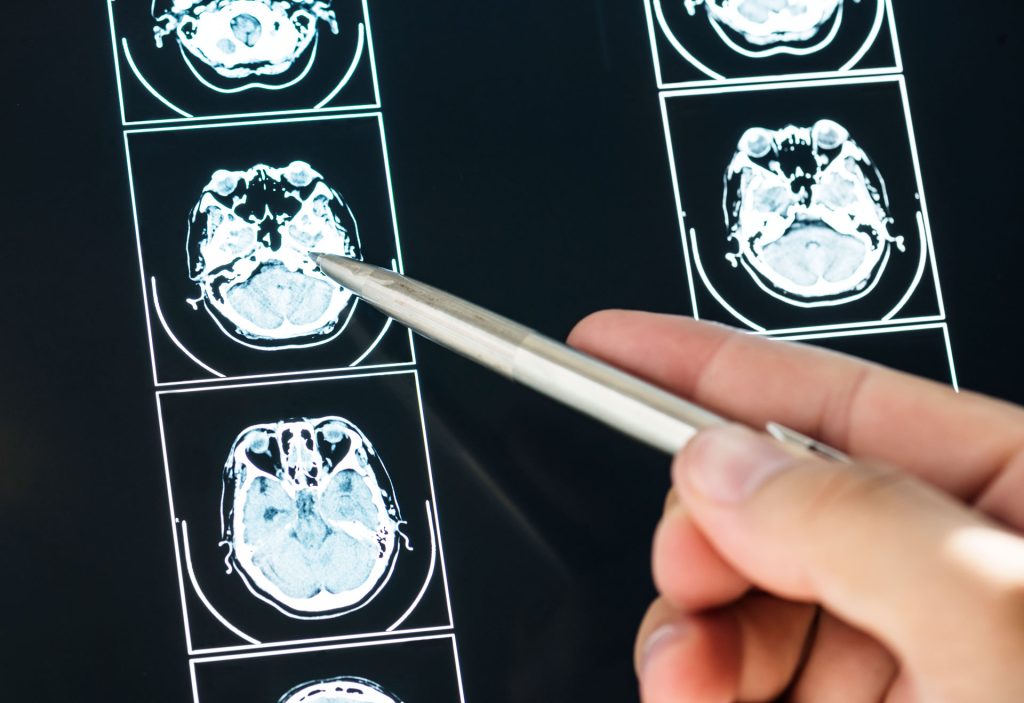
A neurologist plays a vital role in tailoring stroke prevention strategies to meet the unique needs of each patient. Strokes result from complex interactions of risk factors, including medical history, lifestyle, and genetic predisposition. By conducting thorough evaluations, neurologists identify individual risk profiles and create targeted plans to mitigate those risks effectively.
This personalized approach begins with comprehensive assessments, which may include advanced diagnostic tools like brain imaging and blood tests. For patients with conditions such as hypertension, diabetes, or high cholesterol—leading contributors to stroke—a neurologist designs customized interventions. These might involve medications, dietary adjustments, or monitored lifestyle modifications. For example, a patient with high blood pressure may receive a combination of antihypertensive treatments and detailed guidance on reducing salt intake, ensuring precise control over a primary risk factor.
Neurologists also educate patients about recognizing early warning signs, such as transient ischemic attacks (TIAs), often referred to as mini-strokes. By intervening at these critical moments, they help prevent a larger, more debilitating stroke. Additionally, neurologists address less visible risks, such as family history or conditions like atrial fibrillation, with proactive screening and preventive measures tailored to specific genetic or health patterns.
Focused on long-term health, neurologists continue to adjust prevention plans based on patient progress and evolving needs. This dynamic approach ensures not only reduced stroke risk but also an improved quality of life for patients. Their expertise is indispensable in transforming general prevention guidelines into actionable, patient-specific strategies that yield meaningful outcomes.
Related: When Back Pain Could Be a Neurological Issue
How Neurologists Manage Underlying Conditions to Reduce Stroke Risk
A neurologist plays a critical role in the management of underlying conditions that significantly reduce stroke risk. By addressing conditions like high blood pressure, diabetes, high cholesterol, and lifestyle factors such as smoking or obesity, neurologists ensure a proactive and preventive approach to stroke care. Here’s how they do it:
- Hypertension Management
High blood pressure is one of the leading causes of stroke. A neurologist prescribes antihypertensive medications and recommends lifestyle changes like reducing sodium intake and adopting regular physical activity to maintain healthy blood pressure levels. - Diabetes Control
Neurologists work to regulate blood sugar levels, as uncontrolled diabetes can increase clotting risks. They may collaborate with endocrinologists to customize a treatment plan combining medication and diet. - Hyperlipidemia (High Cholesterol)
High cholesterol can obstruct arteries and cause strokes. Neurologists advocate the use of statins and dietary adjustments to manage lipid levels effectively. - Smoking Cessation and Lifestyle Guidance
Smoking damages blood vessels, raising stroke risk. Neurologists provide resources and support to help patients quit smoking and adopt healthier habits, including regular exercise and balanced eating. - Monitoring Cardiac Conditions
Conditions like atrial fibrillation, which increase clot formation risks, are identified and treated with blood thinners to prevent strokes.
At the Maryland Neuromuscular Center in Columbia, Maryland, you can receive advanced care tailored to reduce your stroke risks. Dr. Fox, a triple-board certified neurologist and neuromuscular specialist, leads efforts in creating highly personalized prevention plans. Don’t wait—consult the Maryland Neuromuscular Center today to take proactive steps toward stroke prevention. Their expert team is dedicated to your long-term health and wellness.