
When memory changes begin to affect a loved one’s daily life, it can be overwhelming and confusing for families. Many people use the terms “dementia” and “Alzheimer’s” interchangeably, but neurologists know they are not the same. Dementia is a broad term describing a decline in cognitive abilities that interferes with independence, while Alzheimer’s disease is a specific neurological condition and the most common cause of dementia.
Understanding how neurologists distinguish between these two is essential for caregivers who want to ensure their loved ones receive the right diagnosis, treatment, and care plan. In this blog, we’ll explore how neurologists evaluate, test, and identify key differences, so you can better navigate this challenging journey with clarity and confidence.
The Role of Neurologists in Diagnosing Cognitive Decline
Neurologists are specialists trained to understand the brain and nervous system, making them uniquely qualified to evaluate memory problems, language difficulties, and behavioral changes. For caregivers, knowing why a neurologist is involved can help ease uncertainty. While primary care doctors may first notice concerning symptoms, a neurologist takes the evaluation further with specialized tools and expertise.
The neurologist’s role begins with gathering a complete picture of a patient’s cognitive health. They ask about daily functioning, memory challenges, and behavioral shifts. They also perform neurological exams to check reflexes, coordination, and sensory functions, which can reveal if symptoms are linked to brain-related changes. Unlike a general evaluation, a neurologist’s approach connects subtle details to broader patterns in brain health.
Caregivers often find reassurance in the structured, step-by-step process neurologists use. Their assessments not only help confirm whether cognitive decline is present, but also determine whether it fits into the broader category of dementia or the more specific diagnosis of Alzheimer’s. This distinction is crucial, since it directly influences treatment strategies and care planning. By working closely with families, neurologists serve as guides, ensuring both medical clarity and compassionate support during an often stressful time.
Related: Pinched Nerves: Symptoms, Causes, and Recovery Options
Key Differences Between Dementia and Alzheimer’s
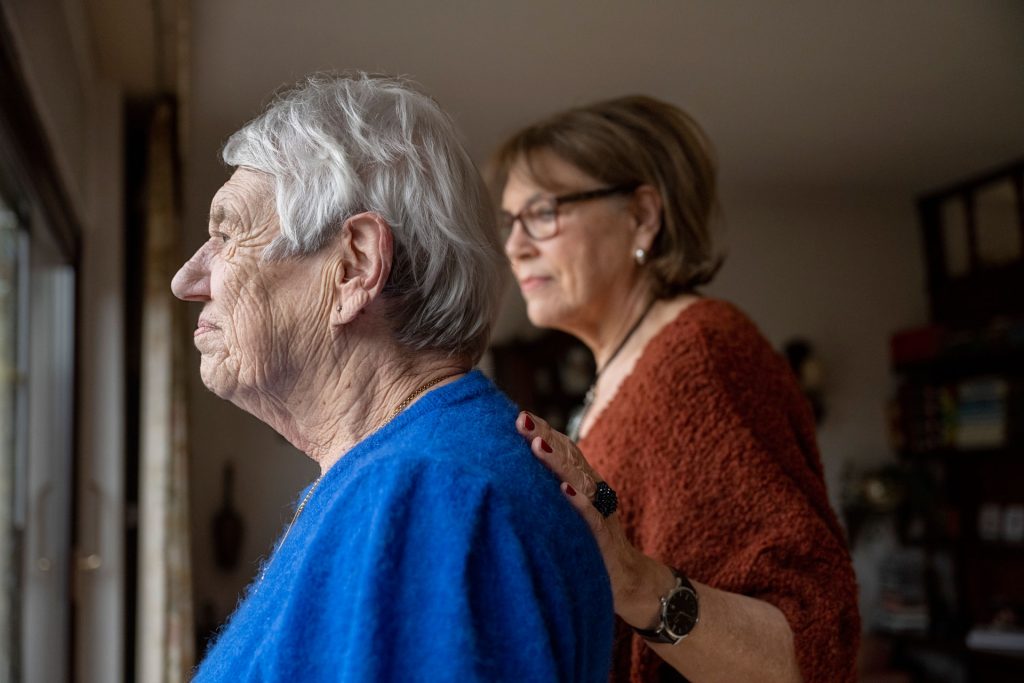
Caregivers often hear the terms dementia and Alzheimer’s used as if they mean the same thing. Neurologists, however, explain that dementia is a syndrome, not a single disease. It describes a collection of symptoms such as memory loss, impaired judgment, and communication difficulties that interfere with daily living. Alzheimer’s disease, on the other hand, is a specific type of dementia caused by progressive changes in the brain, particularly the buildup of abnormal proteins.
Neurologists emphasize several key distinctions:
- Scope: Dementia can result from various conditions, including Alzheimer’s, Parkinson’s disease, strokes, or traumatic brain injury. Alzheimer’s is one specific cause.
- Progression: Alzheimer’s generally follows a characteristic progression from mild memory loss to severe cognitive decline, whereas dementia from other causes may progress differently.
- Treatment focus: While all dementias require supportive care, Alzheimer’s treatment may involve specific medications aimed at slowing its progression.
For families, understanding this difference can reduce confusion and help set realistic expectations. When a neurologist uses the term “dementia,” it signals a broader condition that may have many possible causes. When they diagnose Alzheimer’s, it means they’ve identified a specific disease process. Recognizing this distinction helps caregivers prepare for the journey ahead, ensuring loved ones receive care tailored to their actual condition rather than a general assumption.
Related: What Brain Scans Reveal About Neurological Disorders
Diagnostic Tests Neurologists Use
When evaluating cognitive decline, neurologists rely on a combination of tests to uncover the root cause. No single test can diagnose dementia or Alzheimer’s with certainty, so neurologists piece together multiple sources of information like a puzzle. For caregivers, this process can feel lengthy, but each step is critical for accuracy.
The evaluation often includes cognitive testing, which measures memory, attention, problem-solving, and language skills. These tests reveal patterns in thinking that may point toward Alzheimer’s or another type of dementia. Blood tests are also common, as they help rule out reversible causes of memory loss such as vitamin deficiencies, thyroid problems, or infections.
Neurologists may also order imaging studies, like MRI or CT scans, to look at brain structure. In some cases, PET scans are used to detect changes in brain activity or the presence of amyloid plaques, which are closely linked to Alzheimer’s. Together, these tools allow neurologists to distinguish between general cognitive decline and a specific neurological disease.
For caregivers, understanding these tests can make the process less intimidating. Rather than seeing them as unnecessary steps, families can view them as essential pieces of a careful investigation. By combining test results with clinical expertise, neurologists provide a clearer picture, leading to more targeted care and support for loved ones.
Related: Understanding the Link Between Sleep and Neurological Health
Importance of Medical History and Symptom Patterns
Neurologists place great importance on a patient’s medical history and the timeline of symptoms when diagnosing dementia or Alzheimer’s. Families often provide valuable details that help shape the evaluation. For example, a caregiver might describe when memory lapses first began, how quickly they worsened, or whether behavioral changes appeared suddenly or gradually. These observations are critical because different types of dementia progress in different ways.
Medical history also helps neurologists identify potential contributing factors. Prior strokes, head injuries, cardiovascular issues, or chronic illnesses can all influence cognitive health. In some cases, medications may even mimic symptoms of dementia. By reviewing this background thoroughly, neurologists can avoid misdiagnosis and ensure treatment is tailored to the individual.
Patterns of symptoms often give neurologists strong diagnostic clues. Alzheimer’s typically starts with short-term memory loss and gradually affects language and reasoning. Other dementias, like Lewy body dementia, may begin with sleep disturbances or movement problems. Noticing these distinctions allows neurologists to narrow down the likely cause.
For caregivers, this highlights why their input matters. Sharing everyday experiences and changes they’ve noticed in their loved one helps neurologists connect the dots between clinical testing and real-life challenges. In this way, families become essential partners in the diagnostic process, ensuring the most accurate and compassionate care plan possible.
Related: What to Expect During Your First Visit to a Neurology Specialist
Imaging and Brain Scans in Neurological Evaluation
Imaging studies play a vital role in helping neurologists differentiate between dementia and Alzheimer’s. These scans allow specialists to see inside the brain, revealing structural and functional changes that might not be obvious through exams alone. For caregivers, understanding why these scans are ordered can provide peace of mind and greater confidence in the diagnostic process.
Common imaging methods include MRI and CT scans. These show the brain’s structure and can reveal shrinkage in certain areas, strokes, or other abnormalities. Alzheimer’s often presents with atrophy in regions like the hippocampus, which is responsible for memory formation. Detecting these changes can help neurologists confirm suspicions based on clinical symptoms.
In more advanced cases, neurologists may recommend PET scans, which show how the brain is functioning. PET imaging can highlight reduced brain activity in specific regions or detect abnormal protein deposits such as amyloid plaques. While not always necessary, these advanced scans can strengthen diagnostic certainty.
For caregivers, the process may feel daunting, but imaging offers valuable reassurance. It confirms that the evaluation is thorough and grounded in visible evidence. When neurologists explain the findings, families gain a clearer picture of what’s happening in their loved one’s brain. This knowledge not only supports accurate diagnosis but also empowers caregivers to plan for the future with more clarity and confidence.
Why Early Diagnosis Matters for Caregivers
Receiving an early and accurate diagnosis can make a significant difference in how families manage dementia or Alzheimer’s. Neurologists emphasize that identifying the condition sooner allows caregivers and patients to access resources, plan for future care, and explore treatment options that may slow progression.
For caregivers, the benefits of early diagnosis include:
- Better care planning: Families can make informed decisions about living arrangements, financial matters, and long-term support.
- Access to treatment: Some medications and therapies are most effective in the early stages of Alzheimer’s.
- Emotional preparation: Caregivers and loved ones gain time to adjust, seek support groups, and strengthen coping strategies.
- Ruling out reversible causes: Early evaluation ensures that treatable conditions, such as vitamin deficiencies or thyroid problems, are not mistaken for dementia.
Neurologists stress that waiting until symptoms become severe often limits options and increases stress for families. By encouraging prompt evaluation, they help caregivers avoid uncertainty and ensure their loved one receives the right support at the right time.
Ultimately, early diagnosis empowers caregivers with knowledge and resources, turning fear and confusion into a more manageable, proactive approach. Neurologists act as both medical guides and supportive allies, helping families face the journey ahead with greater confidence and compassion.
Navigating the differences between dementia and Alzheimer’s can feel overwhelming, but with the expertise of neurologists, families gain clarity, direction, and hope. If you’re looking for compassionate, specialized neurological care, the Maryland Neuromuscular Center in Columbia, Maryland is here to help.
Dr. Fox is a triple-board certified neurologist and neuromuscular specialist who brings unmatched expertise and a personalized approach to every patient. Whether you’re seeking answers, treatment options, or long-term care planning, you don’t have to face this journey alone.
Contact the Maryland Neuromuscular Center today to schedule an appointment and take the next step toward clarity and support for your loved one.