
The human brain is one of the most complex organs in the body, and when something goes wrong, the effects can be life-changing. From memory loss to movement difficulties, a neurological disorder can disrupt daily life in profound ways. For decades, diagnosing and understanding these conditions was limited to symptoms and clinical observations. Today, advanced brain scans have transformed that picture. Imaging technologies such as MRI, CT, and PET scans allow doctors to look inside the living brain, uncovering patterns, abnormalities, and changes linked to neurological disorders. These tools not only help with accurate diagnosis but also guide treatment decisions and provide insight into how these conditions develop over time.
For anyone interested in the science of the brain — whether you’re a patient, caregiver, student, or simply curious — understanding what brain scans reveal about neurological disorders is both fascinating and practical. This blog explores how modern imaging sheds light on the mysteries of brain function, offering hope for earlier detection, more effective therapies, and a deeper grasp of conditions that affect millions worldwide.
How brain scans work: An overview of imaging technologies
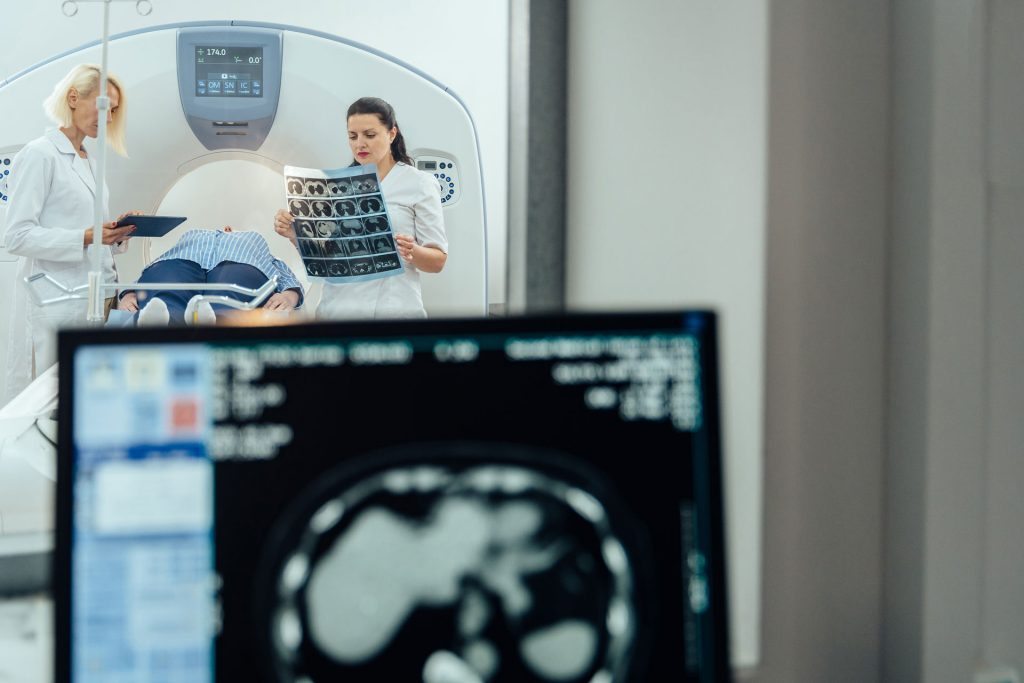
Brain scans are powerful tools that allow doctors and researchers to see inside the living brain without surgery. These imaging technologies use different methods to create detailed pictures of brain structures and functions, helping identify changes linked to a neurological disorder.
Magnetic Resonance Imaging (MRI) uses strong magnetic fields and radio waves to generate highly detailed images of brain tissue. Computed Tomography (CT) scans, on the other hand, rely on X-rays to create cross-sectional images, often used in emergencies to quickly detect bleeding or trauma. Positron Emission Tomography (PET) involves a small amount of radioactive tracer, which highlights areas of brain activity by measuring glucose metabolism. Each of these technologies offers unique strengths, making them valuable for specific conditions.
For example, MRI excels at identifying structural abnormalities such as tumors or lesions, while PET scans provide insight into how the brain is functioning at a metabolic level. CT scans, though less detailed, are quick and life-saving in urgent situations like stroke. Together, these tools give physicians a more complete understanding of what is happening inside the brain.
The ability to look beneath the skull and observe the brain in action has revolutionized neurology. By combining different imaging methods, doctors can detect neurological disorders earlier, track disease progression, and tailor treatments to individual patients. This marks a significant leap forward in improving both diagnosis and care for people facing complex brain conditions.
Related: Understanding the Link Between Sleep and Neurological Health
MRI and its role in detecting neurological disorders
MRI is one of the most widely used tools in neurology because of its ability to produce clear and detailed images of the brain’s soft tissues. This imaging method does not involve radiation, making it safe for repeated use. For patients with a neurological disorder, MRI often serves as the first step toward an accurate diagnosis.
Neurologists use MRI to detect conditions such as multiple sclerosis, brain tumors, strokes, and traumatic brain injuries. In multiple sclerosis, for instance, MRI scans can reveal lesions or areas of demyelination where the protective covering of nerve fibers has been damaged. These images help doctors track the number, size, and growth of lesions over time, guiding treatment decisions.
MRI is also highly valuable in detecting subtle abnormalities that might be missed with other imaging techniques. Advanced variations such as functional MRI (fMRI) can show which areas of the brain are active during specific tasks, offering insight into language, memory, or motor control pathways. This information is crucial during pre-surgical planning for patients with epilepsy or brain tumors, as it helps surgeons avoid critical brain regions during operations.
In short, MRI provides more than just pictures—it offers a window into the underlying changes of neurological disorders. By revealing structural and functional details, MRI equips doctors with the knowledge needed to diagnose accurately, monitor progression, and personalize treatment approaches. This makes it one of the most essential tools in modern brain care.
Related: What to Expect During Your First Visit to a Neurology Specialist
PET scans and what they reveal about brain activity
Unlike MRI or CT, which focus mainly on brain structure, PET scans highlight brain activity by measuring how cells use glucose, the brain’s main source of energy. This unique feature makes PET especially useful in studying neurological disorders that affect brain function rather than anatomy alone.
During a PET scan, a small amount of radioactive tracer is injected into the bloodstream. As brain cells metabolize glucose, the tracer emits signals that are captured by the scanner, producing colorful images of brain activity. These images can reveal areas where activity is abnormally low or unusually high, offering clues about underlying disease processes.
One of the most important uses of PET is in diagnosing Alzheimer’s disease and other forms of dementia. PET can show patterns of reduced activity in memory-related brain regions, often before structural damage is visible on MRI. PET is also valuable in studying epilepsy, Parkinson’s disease, and psychiatric conditions, as it helps map how brain circuits are functioning.
Another strength of PET is its role in research. By showing how medications or therapies change brain activity, PET helps scientists better understand disease mechanisms and develop new treatments. Although PET does involve radiation exposure and is less widely available than MRI, its ability to capture brain function makes it an irreplaceable tool in neurology.
By combining PET scans with structural imaging, doctors gain both anatomical and functional insight, creating a fuller picture of neurological disorders.
Related: Exploring Common Causes of Memory Loss and When to Seek Medical Help
How brain scans help diagnose Alzheimer’s disease and dementia
Alzheimer’s disease and dementia are among the most challenging neurological disorders, often progressing slowly and subtly over time. Brain scans play a crucial role in diagnosing these conditions and distinguishing them from other causes of memory loss.
MRI and CT scans can reveal structural changes such as brain shrinkage, particularly in regions like the hippocampus that are critical for memory. PET scans, however, provide functional insight by showing reduced glucose activity in these areas, even before significant structural damage occurs. Some specialized PET scans can also detect amyloid plaques and tau tangles, which are hallmark features of Alzheimer’s disease.
The use of imaging in dementia has several important benefits:
- Early detection: Identifying changes before severe symptoms develop.
- Differential diagnosis: Helping distinguish Alzheimer’s from other dementias or psychiatric conditions.
- Tracking progression: Monitoring how the disease evolves over time.
- Guiding treatment: Providing information that shapes care strategies and lifestyle recommendations.
For patients and families, these insights can be invaluable. Imaging provides a clearer understanding of what is happening in the brain, helping set expectations and plan for the future. While brain scans alone cannot confirm Alzheimer’s without additional testing, they form a critical piece of the diagnostic puzzle. By combining imaging results with clinical evaluations, doctors can make more confident and timely diagnoses, offering patients the best chance at early intervention and support.
Related: Chronic Dizziness and Balance Issues: How Neurology Can Help
The use of imaging in epilepsy and seizure disorders
Epilepsy is a common neurological disorder marked by recurrent seizures, and brain imaging plays a central role in both diagnosis and treatment planning. Seizures often arise from abnormal electrical activity in specific regions of the brain, and scans help locate these areas.
MRI is the most common tool for epilepsy, as it can identify structural abnormalities such as cortical malformations, tumors, or scarring that might trigger seizures. In some cases, PET scans or Single Photon Emission Computed Tomography (SPECT) are used to measure blood flow or metabolic activity during or between seizures, offering functional insights.
Brain imaging in epilepsy serves multiple purposes:
- Diagnosis: Confirming whether seizures are linked to a structural problem.
- Treatment planning: Helping surgeons locate seizure foci before surgery.
- Monitoring: Assessing how the brain changes over time or in response to therapy.
- Risk assessment: Identifying abnormalities that could predict seizure recurrence.
For patients considering surgery, imaging is often combined with EEG (electroencephalography) to pinpoint the exact seizure origin. This precision allows surgeons to remove or treat the problem area without harming vital brain functions.
Imaging also helps families and caregivers better understand the condition, reinforcing the importance of personalized care. While not every seizure-related abnormality is visible, advances in imaging continue to improve accuracy, offering hope for more effective and targeted treatment options.
Limitations and challenges of brain imaging in neurological disorders
Despite the tremendous advances brain scans have brought to medicine, they are not without limitations. One of the main challenges is that not all neurological disorders leave visible or measurable traces on imaging. For example, many patients with migraines or functional neurological disorders may have normal-looking scans, making diagnosis reliant on clinical evaluation.
Cost and accessibility also pose barriers. MRI and PET scans are expensive, and PET in particular is not widely available outside specialized centers. Radiation exposure from PET and CT scans is another concern, especially for patients who require repeated imaging over time.
Interpreting scans requires expertise, and results are not always straightforward. A lesion seen on MRI may not cause symptoms, while subtle changes that drive disease may go undetected. This underscores the importance of combining imaging with neurological exams, patient history, and other tests.
Another challenge is patient comfort. MRI scans, for example, can take up to an hour and may feel claustrophobic or noisy, which can be stressful for some patients.
Looking ahead, technology is addressing many of these issues. Faster imaging, higher-resolution scans, and AI-driven analysis are making results more accurate and accessible. Still, brain scans remain just one part of a larger diagnostic process. Recognizing their strengths and limitations ensures that they are used appropriately to support—not replace—comprehensive neurological care.
Brain scans have transformed the way doctors diagnose and understand neurological disorders, offering earlier detection, clearer insights, and more targeted treatment options. From Alzheimer’s disease to epilepsy, imaging plays a critical role in guiding care and improving patient outcomes.
If you or a loved one are seeking expert neurological care, the Maryland Neuromuscular Center in Columbia, Maryland provides comprehensive evaluation and treatment for a wide range of conditions. Dr. Fox is a triple-board certified neurologist and neuromuscular specialist, dedicated to using the latest diagnostic tools—including advanced brain imaging—to deliver personalized and effective care.
Don’t wait to take the next step in understanding your brain health. Contact the Maryland Neuromuscular Center today to schedule an appointment and get the expert support you deserve.