
When it comes to brain injuries, accurate diagnosis and timely treatment are critical. Whether caused by trauma, stroke, or underlying medical conditions, brain injuries can have lasting impacts on memory, motor function, speech, and even personality. That’s where a neurologist comes in. A neurologist is a medical doctor who specializes in diagnosing and treating disorders of the brain and nervous system. These specialists play a key role in guiding recovery and helping patients regain function and quality of life.
In this blog, we’ll break down how neurologists approach brain injuries—from the first signs and diagnostic tools to long-term treatment and rehabilitation. Whether you’re trying to understand a loved one’s condition or seeking information for yourself, this guide will offer clear, straightforward insights into the neurologist’s role in brain injury care.
What Does a Neurologist Do?
A neurologist is a physician who focuses on conditions that affect the brain, spinal cord, and nerves. Their expertise includes diagnosing and managing neurological disorders such as epilepsy, migraines, multiple sclerosis, stroke, and brain injuries. In the case of brain injuries, neurologists are often brought in to assess the severity of the damage, determine which areas of the brain are affected, and create a plan for ongoing treatment.
Neurologists typically begin their evaluation with a comprehensive review of the patient’s medical history and symptoms. This is followed by neurological examinations that assess motor skills, reflexes, coordination, speech, and cognitive abilities. The goal is to pinpoint which areas of the nervous system are compromised. Depending on the findings, they may order imaging tests such as MRI or CT scans for a clearer picture of the injury.
Importantly, a neurologist doesn’t perform surgery—that role is filled by a neurosurgeon. However, they work closely with other specialists, including neurosurgeons, physical therapists, and psychologists, to coordinate a patient’s care. Their job is to manage the non-surgical aspects of neurological recovery, monitor changes, and adjust treatments accordingly.
Understanding what a neurologist does helps patients and families set realistic expectations and communicate effectively throughout the treatment process. In many cases, early involvement of a neurologist can significantly improve outcomes after a brain injury.
Related: Educating Yourself on Dementia and Cognitive Decline Prevention
Symptoms That Lead to a Neurology Referral
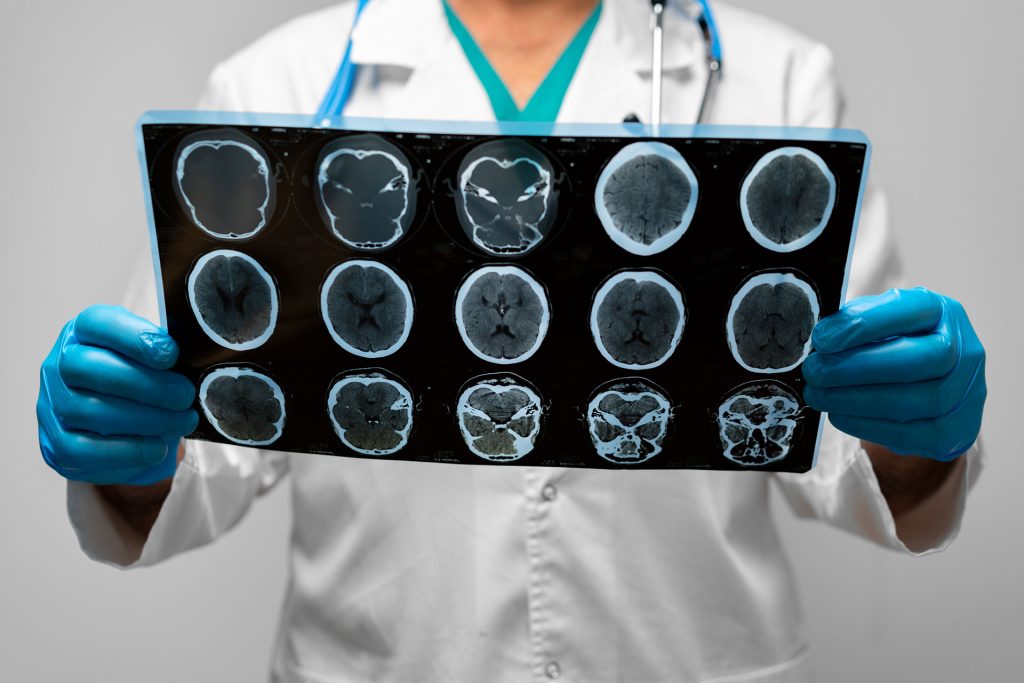
Recognizing the symptoms that suggest the need for a neurologist can be life-changing, especially after a brain injury. While not every head injury requires neurological care, there are certain red flags that signal more serious involvement of the brain and nervous system.
Some common symptoms that lead to a neurology referral include:
- Persistent headaches or migraines that worsen over time
- Dizziness, loss of balance, or coordination problems
- Memory loss or difficulty concentrating
- Slurred speech or difficulty understanding language
- Sudden mood changes, confusion, or agitation
- Numbness or weakness in arms or legs
- Seizures or loss of consciousness
These symptoms can appear immediately after an injury or develop gradually over time. Even if symptoms seem mild, they may indicate internal damage that only a neurologist can properly evaluate. For example, a seemingly minor concussion can still result in lasting cognitive impairment if left untreated.
If a primary care doctor or emergency physician notices any of these signs, they will likely refer the patient to a neurologist for further evaluation. Neurologists use their specialized training to determine whether these symptoms are linked to a brain injury or another neurological condition. Acting quickly can prevent complications and promote more effective recovery.
Related: Why Choosing the Right Neurology Specialist Matters for Your Health
How Neurologists Diagnose Brain Injuries
Diagnosing a brain injury is a complex process that involves both clinical judgment and the use of advanced diagnostic tools. When a neurologist evaluates someone with a suspected brain injury, the first step is usually a detailed neurological exam. This includes checking reflexes, eye movements, memory, muscle strength, coordination, and language skills. These tests help identify the specific areas of the brain that may be affected.
Next, imaging plays a crucial role. A neurologist may order a CT scan for an initial look at possible bleeding or swelling in the brain. For more detailed images, an MRI may be used to detect structural damage, inflammation, or signs of degenerative brain changes. In some cases, they might also recommend an EEG (electroencephalogram) to measure electrical activity in the brain, especially if seizures are a concern.
Depending on the complexity of the case, neuropsychological testing may be conducted to assess cognitive functions such as memory, attention, and problem-solving. This is particularly important in cases involving traumatic brain injury (TBI) where changes in behavior and mental processing are observed.
The neurologist will then interpret these findings in the context of the patient’s history, symptoms, and potential causes. This holistic approach ensures that diagnosis is accurate and that treatment planning is tailored to the individual’s specific needs.
Related: The Role of a Neurologist in Stroke Prevention and Recovery
Treatment Options Provided by Neurologists
Once a brain injury is diagnosed, a neurologist takes the lead in developing a non-surgical treatment plan. This plan depends on the type, location, and severity of the injury, as well as the patient’s overall health and age. Treatments may be short-term or ongoing, and they often require regular monitoring and adjustment.
Medication is commonly prescribed to manage symptoms. These may include:
- Anti-seizure drugs to prevent or control seizures
- Pain relievers for headaches or nerve pain
- Antidepressants or mood stabilizers for emotional changes
- Stimulants or cognitive enhancers to address attention or memory issues
In addition to medication, neurologists often recommend physical, occupational, or speech therapy as part of a broader rehabilitation strategy. They also provide education for patients and families, helping them understand the nature of the injury and how to manage its effects.
Some patients may also benefit from cognitive-behavioral therapy, especially if the injury has led to anxiety, depression, or personality shifts. In chronic or complex cases, neurologists may coordinate with rehabilitation specialists or refer the patient to a dedicated brain injury program for long-term care.
Regular follow-ups are essential. A neurologist will track progress, make adjustments to treatment, and screen for secondary complications such as post-concussion syndrome or chronic traumatic encephalopathy (CTE). The neurologist’s ongoing involvement helps ensure continuity of care and better recovery outcomes.
Related: The Importance of Early Diagnosis in Neurological Conditions
Rehabilitation and Long-Term Care
Recovery from a brain injury doesn’t end with the initial diagnosis or treatment. Rehabilitation is a vital part of long-term care, and neurologists play a key role in overseeing this phase. The goal of rehab is to help the patient regain as much independence and function as possible. This can include physical, cognitive, and emotional recovery.
For many patients, rehabilitation involves a multidisciplinary approach, with a team that may include physical therapists, occupational therapists, speech-language pathologists, neuropsychologists, and social workers. The neurologist acts as the central coordinator, ensuring that therapies align with the patient’s needs and neurological condition.
Recovery timelines vary. Some individuals see improvement in weeks, while others may need months or even years of ongoing therapy. A neurologist helps set realistic goals and continuously evaluates whether treatments are effective or need modification.
Common components of brain injury rehabilitation include:
- Physical therapy to improve strength, balance, and motor control
- Occupational therapy to relearn daily tasks
- Cognitive training to rebuild memory and thinking skills
- Speech therapy to recover communication abilities
- Counseling to address emotional and behavioral changes
Since brain injuries can have lifelong effects, neurologists also help patients plan for the future, including strategies for managing chronic symptoms, returning to work, or adapting the home environment for safety. The neurologist’s involvement ensures that patients receive personalized care throughout every stage of their recovery.
When to See a Neurologist After Head Trauma
Not every bump on the head requires a neurologist’s care, but certain scenarios call for prompt evaluation. Early intervention can make a significant difference in how well someone recovers from a brain injury. So how do you know when to consult a neurologist?
Here are key situations where seeing a neurologist is advised:
- Loss of consciousness, even briefly, after head trauma
- Confusion, memory loss, or difficulty speaking post-injury
- Repeated vomiting or worsening headache
- Unusual drowsiness or trouble waking up
- Seizures or convulsions
- Weakness or numbness on one side of the body
- Changes in personality or mental status
- Symptoms that persist for more than a few days
These signs could indicate a concussion, bleeding in the brain, or other serious neurological issues. A neurologist can perform a comprehensive evaluation to determine the extent of the injury and recommend appropriate care. Even if symptoms appear mild, the long-term effects of untreated brain injuries can be significant.
Many primary care doctors and emergency rooms will refer a patient to a neurologist if they suspect deeper neurological involvement. When in doubt, it’s better to err on the side of caution—early diagnosis and treatment can dramatically improve the outcome of a brain injury.
If you or a loved one is recovering from a brain injury or experiencing unexplained neurological symptoms, it’s important to seek specialized care. Dr. Fox is a triple-board certified neurologist and neuromuscular specialist with extensive experience in diagnosing and treating complex brain and nerve conditions. At the Maryland Neuromuscular Center, patients receive compassionate, expert-led care in the heart of Columbia, Maryland.
Take the first step toward answers and recovery—contact the Maryland Neuromuscular Center today to schedule your consultation.