
Peripheral neuropathy is a condition that affects millions of people, often resulting in symptoms such as numbness, tingling, burning pain, or muscle weakness. These symptoms arise due to damage to the peripheral nerves, which connect the brain and spinal cord to the rest of the body. Understanding and managing peripheral neuropathy can be overwhelming, but with expert care, patients can experience significant relief and improve their quality of life.
Whether the cause is diabetes, chemotherapy, infections, or an unknown origin, early diagnosis and specialized treatment are key. Navigating this condition on your own can be difficult, which is why the support of trained medical professionals is essential. This blog aims to explore how expert care can make a difference in the lives of those suffering from peripheral neuropathy and provide actionable insights for better management.
What Is Peripheral Neuropathy and What Causes It?
Peripheral neuropathy is a disorder resulting from damage to the peripheral nervous system, which includes all nerves outside the brain and spinal cord. This network of nerves is responsible for relaying information between the central nervous system and the rest of the body. When these nerves are injured or deteriorate, it can lead to a variety of uncomfortable and sometimes debilitating symptoms.
The causes of peripheral neuropathy are diverse. Diabetes is one of the most common contributors, with high blood sugar levels damaging nerve fibers over time. Other causes include infections (such as shingles or Lyme disease), autoimmune diseases, chronic alcohol use, certain medications like chemotherapy drugs, and even vitamin deficiencies. In some cases, the cause may remain unknown, which is referred to as idiopathic neuropathy.
Understanding the root cause is crucial because it guides treatment. For instance, managing blood sugar levels in diabetic patients can slow or halt the progression of nerve damage. Similarly, addressing deficiencies or stopping the offending medication may lead to symptom improvement. Regardless of the origin, early intervention by professionals who specialize in nerve disorders can make a major difference in managing peripheral neuropathy effectively.
Related: Understanding Carpal Tunnel Syndrome and Neurology Care Options
Recognizing the Symptoms Early for Better Outcomes
Peripheral neuropathy often begins subtly, with symptoms that may seem minor or unrelated at first. However, early recognition is critical for slowing the progression and minimizing long-term damage. Common symptoms include tingling or numbness in the hands and feet, burning or sharp pains, sensitivity to touch, and muscle weakness. Some individuals may also experience coordination problems or feel as though they’re wearing gloves or socks even when they’re not.
The symptoms typically start in the longest nerves first, such as those that reach the feet, and gradually work their way upward. Over time, if left untreated, peripheral neuropathy can interfere with daily activities, including walking, writing, or grasping objects. In severe cases, it can lead to muscle atrophy or an increased risk of injuries due to impaired sensation.
Recognizing these early signs allows individuals to seek professional care before the condition worsens. Neurologists and pain specialists can perform diagnostic tests to determine the type and extent of nerve damage. With early intervention, treatments can be more effective and help preserve nerve function. Ignoring the symptoms or attributing them to aging or minor issues can delay care and increase the risk of irreversible damage.
Related: How to Manage Vertigo with the Help of a Neurologist
Why Expert Diagnosis Matters in Peripheral Neuropathy
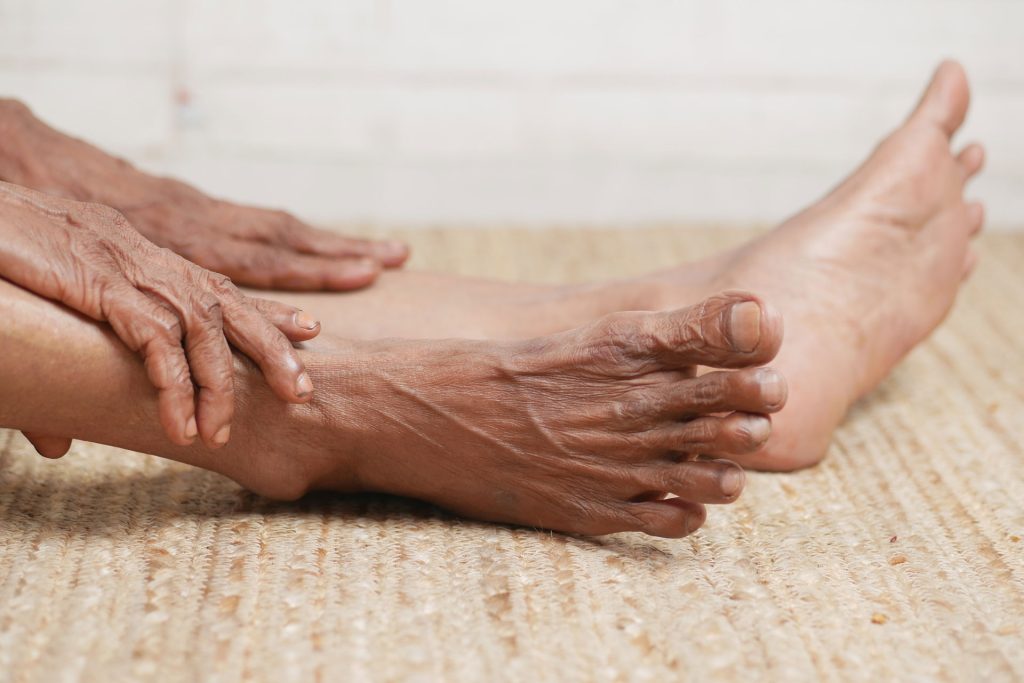
Accurate diagnosis of peripheral neuropathy is essential for developing an effective treatment plan. Because the condition can be caused by numerous factors and mimic other health problems, a thorough assessment by an experienced specialist is key. A proper diagnosis typically involves a combination of physical examinations, neurological testing, blood tests, and sometimes imaging studies or nerve biopsies.
Expert diagnosis helps differentiate between types of neuropathy—whether it’s sensory, motor, autonomic, or a combination. This classification impacts treatment choices significantly. For example, autonomic neuropathy may require different care than a predominantly sensory issue. Moreover, identifying whether the cause is treatable—such as a vitamin deficiency or a reaction to medication—can directly impact recovery.
Working with specialists ensures that all contributing factors are considered. General practitioners may miss subtle signs or not be familiar with the nuances of neuropathic disorders. A neurologist, on the other hand, brings in-depth knowledge and the right tools for diagnosis and monitoring. When expert care is sought early, patients gain a clearer understanding of their condition and a more tailored, effective treatment path.
Related: Neurology’s Role in Tackling Alzheimer’s Disease Progression
Top Treatment Options Recommended by Specialists
When dealing with peripheral neuropathy, expert care focuses on addressing both the underlying cause and the symptoms. Treatment plans are often customized and may include a combination of approaches such as:
- Medication Management: Doctors may prescribe anticonvulsants, antidepressants, or topical treatments to help reduce nerve pain.
- Physical Therapy: Designed to improve muscle strength, coordination, and reduce discomfort through targeted exercises.
- Transcutaneous Electrical Nerve Stimulation (TENS): A non-invasive method that uses low-voltage electrical currents to relieve pain.
- Plasma Exchange and IV Immunoglobulin Therapy: Often used in cases of inflammatory or autoimmune neuropathy.
- Lifestyle Modifications: These include quitting alcohol, maintaining a healthy diet, and exercising regularly.
- Surgical Intervention: In rare cases, surgery may be needed to relieve nerve pressure caused by tumors or injuries.
Specialists evaluate the severity and root cause of the neuropathy before recommending treatments. Often, a multi-disciplinary team, including neurologists, pain specialists, and physical therapists, works together to provide comprehensive care. The right treatment combination can significantly reduce symptoms and improve daily functioning for most patients.
Related: How Brain Injuries Are Diagnosed and Treated by Neurologists
Lifestyle Adjustments That Can Help Manage Symptoms
While medical treatments play a crucial role, certain lifestyle changes can also help manage peripheral neuropathy symptoms and slow progression. Here are some practical adjustments patients can consider:
- Stay Active: Gentle exercises like walking, yoga, or swimming can improve blood flow to nerves and strengthen muscles.
- Control Blood Sugar: For diabetic patients, maintaining healthy glucose levels is vital to preventing further nerve damage.
- Foot Care: Regularly inspect feet for sores, wear supportive shoes, and avoid walking barefoot to prevent injury.
- Healthy Eating: A nutrient-rich diet supports nerve health. Include foods high in B vitamins, omega-3 fatty acids, and antioxidants.
- Limit Alcohol and Avoid Smoking: Both can worsen nerve damage and impede healing.
These habits not only support nerve function but also enhance overall well-being. Consistency is key—minor adjustments can lead to meaningful improvements over time. It’s important for individuals to work closely with healthcare professionals to create a lifestyle plan that suits their condition and goals.
When to Seek Help: Knowing the Right Time for Professional Care
Peripheral neuropathy can worsen gradually, making it difficult to determine when professional intervention is necessary. However, there are clear indicators that it’s time to consult a specialist. Persistent tingling, burning, or numbness that doesn’t resolve or worsens over time should not be ignored. Difficulty walking, balance issues, or unexplained weakness also warrant medical attention.
Another red flag is the progression of symptoms—if they start in one area and begin spreading or intensifying, this could signal advancing nerve damage. In cases where symptoms interfere with daily tasks or sleep, delaying treatment can result in more extensive nerve deterioration and reduce treatment effectiveness.
Additionally, anyone with risk factors—such as diabetes, a history of chemotherapy, or autoimmune disorders—should be particularly vigilant. Seeking early care allows for a broader range of treatment options and often leads to better outcomes. Trusting your instincts and seeking expert advice sooner rather than later can make a substantial difference in managing peripheral neuropathy.
If you or a loved one is experiencing symptoms of peripheral neuropathy, don’t wait to seek help. At the Maryland Neuromuscular Center in Columbia, Maryland, patients receive compassionate, expert care tailored to their specific needs. Dr. Fox is a triple-board certified neurologist and neuromuscular specialist, dedicated to diagnosing and treating complex nerve disorders with precision and experience.
Let expert care guide your journey toward relief and recovery. Contact the Maryland Neuromuscular Center today to schedule a consultation.