
The food you eat doesn’t just fuel your body — it also powers your brain. While we often think about diet in terms of weight or heart health, its influence on brain function is just as critical. Neurologists consistently emphasize how nutrition plays a central role in cognitive performance, mental clarity, mood stability, and even the risk of developing neurological disorders. Whether you’re seeking to enhance focus, protect against memory loss, or better manage conditions like migraines or dementia, the connection between diet and brain health is undeniable.
In this post, we’ll explore how the right dietary choices can support brain function and what neurologists want you to understand about this crucial relationship.
How a Poor Diet Impacts Brain Function
The brain requires a steady stream of nutrients to perform at its best. When your diet is high in processed foods, unhealthy fats, and added sugars, it can disrupt critical brain functions over time. A poor diet affects memory, learning ability, focus, and emotional regulation — all of which are closely tied to neurological activity.
Neurologists have observed that diets lacking in key vitamins and antioxidants can contribute to increased oxidative stress in the brain. This can damage neurons and lead to faster cognitive decline. Additionally, diets high in trans fats and refined sugars can promote chronic inflammation, which has been linked to conditions such as Alzheimer’s disease, depression, and anxiety.
Beyond long-term effects, even short-term dietary imbalances can lead to mental fatigue and brain fog. Skipping meals, for instance, deprives the brain of glucose — its primary energy source — leading to irritability and reduced concentration.
A consistently poor diet also alters neurotransmitter production. These chemicals, like serotonin and dopamine, play a vital role in mood regulation and cognitive clarity. Inadequate nutrition can throw these systems off balance, resulting in emotional instability or reduced motivation. In short, neglecting your nutritional intake doesn’t just affect your body — it alters the way your brain functions every day.
Related: Understanding Parkinson’s Disease with Neurology Experts
Nutrients That Support Cognitive Health
Certain nutrients have been shown to provide strong support for brain health, particularly when consumed regularly. Neurologists often highlight the importance of a nutrient-dense diet for maintaining cognitive performance and preventing neurodegenerative conditions.
Key brain-friendly nutrients include:
- Omega-3 Fatty Acids: Found in fatty fish, flaxseeds, and walnuts, omega-3s support brain cell structure and promote communication between neurons.
- B Vitamins (especially B6, B12, and Folate): These are crucial for maintaining brain volume and preventing cognitive decline.
- Antioxidants: Vitamins C and E help fight oxidative stress in brain cells. Berries, citrus fruits, and nuts are rich in these antioxidants.
- Magnesium: Essential for nerve function and helps prevent migraines.
- Vitamin D: Low levels have been linked to cognitive impairment and depression.
- Choline: Found in eggs, choline is necessary for the production of acetylcholine, a neurotransmitter involved in memory.
A well-balanced intake of these nutrients not only supports day-to-day brain function but also helps reduce the risk of conditions like dementia and stroke. Ensuring that your diet includes a variety of whole foods is one of the best long-term strategies for protecting your brain.
Related: Tips for Preventing Strokes from Columbia-Based Neurology Experts
Foods Neurologists Recommend for Brain Protection
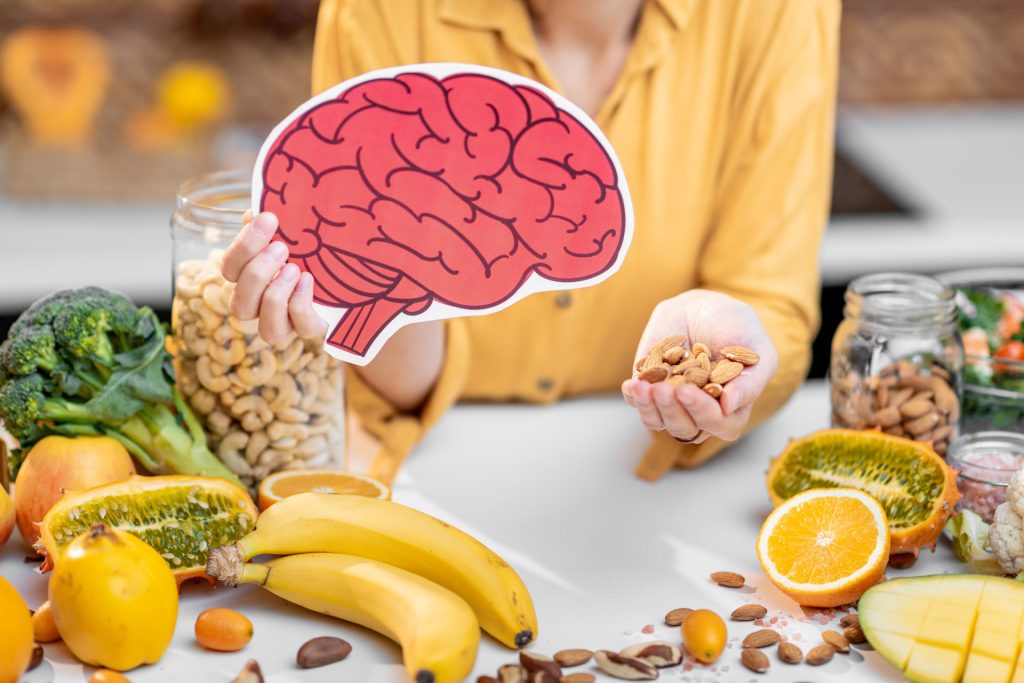
Neurologists are increasingly emphasizing the importance of food as a form of preventive medicine, particularly when it comes to cognitive health. A consistent intake of brain-supportive foods can help guard against age-related decline and improve mental sharpness.
Here are some of the top foods neurologists recommend:
- Fatty Fish (like salmon, sardines, and mackerel): Rich in omega-3s that support brain structure and reduce inflammation.
- Leafy Greens (spinach, kale, broccoli): Packed with folate, vitamin K, and antioxidants.
- Blueberries and Other Berries: These are high in flavonoids, which enhance memory and delay brain aging.
- Nuts and Seeds (especially walnuts and flaxseeds): Good sources of healthy fats and vitamin E.
- Whole Grains (like quinoa, brown rice, oats): Support sustained energy release for better focus and memory.
- Dark Chocolate (in moderation): Contains flavonoids and caffeine, which can enhance brain function.
Adding these foods to your weekly meal plan can have a cumulative effect on brain resilience and performance over time. Consistency is key — the benefits of a brain-healthy diet build over weeks and months.
Related: Understanding Brain Tumors and Treatment with Local Neurologists
The Role of Gut Health in Neurological Wellness
Emerging research continues to uncover the deep connection between gut health and brain function — a link often referred to as the gut-brain axis. The human gut is home to trillions of bacteria that play a significant role in producing neurotransmitters, supporting immune function, and regulating inflammation — all of which directly affect brain performance.
Neurologists are paying closer attention to this relationship, particularly in patients with anxiety, depression, and even neurological conditions like Parkinson’s and Alzheimer’s. When the gut microbiome is out of balance, it can lead to chronic inflammation, which in turn may trigger or worsen neurological symptoms.
Diet plays a critical role in supporting a healthy gut environment. Fermented foods like yogurt, kimchi, and kefir introduce beneficial bacteria to the digestive tract, while prebiotic-rich foods like garlic, onions, and bananas feed those healthy bacteria.
Moreover, fiber from whole plant foods supports a balanced microbiome by fostering the growth of good bacteria and minimizing harmful strains. A poor diet — especially one high in processed foods — disrupts this balance and may contribute to brain fog, mood swings, and cognitive fatigue.
Maintaining gut health isn’t just about digestion — it’s an essential part of a neurologist’s approach to brain care.
Related: How to Improve Memory and Focus with Help from a Neurologist
Diet and Mental Health: Understanding the Connection
Mental health is closely tied to brain chemistry, which is heavily influenced by the foods we consume. There is growing recognition among neurologists and psychiatrists alike that diet can play a vital role in managing and preventing mental health conditions.
Consuming whole, unprocessed foods helps regulate blood sugar levels and neurotransmitter production. In contrast, a diet high in refined carbs, sugary snacks, and trans fats has been linked to a higher incidence of depression and anxiety.
Proteins provide amino acids, which are the building blocks of neurotransmitters like serotonin and dopamine. Complex carbohydrates help regulate mood by promoting steady glucose levels and supporting serotonin synthesis. Meanwhile, essential fats like omega-3s enhance neuronal communication and may reduce symptoms of mood disorders.
Chronic nutrient deficiencies — especially in B vitamins, iron, magnesium, and zinc — are also known to exacerbate mental health symptoms. For example, low B12 can lead to confusion, fatigue, and depressive episodes.
While diet isn’t a cure-all, it is a powerful complementary tool in mental health management. Eating well consistently supports emotional resilience and cognitive clarity, making it an important part of holistic neurological care.
The Effects of Sugar and Processed Foods on the Brain
Sugar and processed foods may offer a quick energy boost, but they come at a steep cost to your brain health. Neurologists have long warned that these dietary elements are among the most damaging to cognitive function.
Excess sugar consumption leads to spikes and crashes in blood glucose, which can impair concentration and memory. Over time, high sugar intake contributes to insulin resistance — a condition that has been linked to an increased risk of Alzheimer’s disease.
Processed foods, often filled with unhealthy fats and preservatives, can also damage the brain by promoting chronic inflammation. These foods lack essential nutrients that the brain needs, and their frequent consumption has been associated with mood instability, brain fog, and slower processing speeds.
To protect your brain, consider minimizing:
- Sugary snacks and beverages (soda, candy, pastries)
- Fast food and fried items
- Refined carbs (white bread, pasta, baked goods)
- Highly processed snack foods (chips, crackers, frozen meals)
- Artificial sweeteners and additives
Instead, opt for whole, minimally processed foods that nourish the brain and body. Reducing your reliance on processed food isn’t about deprivation — it’s about building lasting cognitive health, one meal at a time.
Optimizing your diet is one of the most effective ways to protect and enhance your brain function — and you don’t have to do it alone. At the Maryland Neuromuscular Center in Columbia, Maryland, our team specializes in providing personalized neurological care grounded in the latest science on brain health and nutrition.
Dr. Fox is a triple-board certified neurologist and neuromuscular specialist who works closely with patients to develop comprehensive treatment plans that address both neurological and lifestyle factors. Whether you’re dealing with brain fog, migraines, or more complex neuromuscular concerns, we’re here to help you thrive.
Schedule a consultation today with the Maryland Neuromuscular Center and take the first step toward a healthier brain and a better quality of life.