
When it comes to serious health conditions, strokes rank high on the list of emergencies that require fast action and lifelong consequences. According to neurology specialists in Columbia, many strokes are preventable with the right lifestyle changes and medical guidance. Understanding how the brain and vascular system work together—and what disrupts that balance—is essential for long-term health. For those living in or near Columbia, access to expert care and local resources means you don’t have to navigate stroke prevention alone.
In this article, we’ll share practical, evidence-based tips from Columbia-based neurology professionals to help you lower your risk of stroke. Whether you’re managing existing health issues or simply looking to be proactive, this guide offers clear steps to protect your brain health and stay informed about the neurological factors that contribute to strokes.
Understanding What Causes a Stroke
A stroke occurs when blood flow to a part of the brain is interrupted or reduced, preventing oxygen and nutrients from reaching brain tissue. This interruption can result from a blocked artery (ischemic stroke) or a leaking or bursting blood vessel (hemorrhagic stroke). In both cases, brain cells begin to die within minutes, which makes timely intervention critical.
From a neurology perspective, strokes are complex events with a variety of root causes. Ischemic strokes are often caused by atherosclerosis, a buildup of fatty deposits in arteries that narrows blood vessels and restricts circulation. Blood clots, either formed locally or traveling from other parts of the body, can also lead to an ischemic event. Hemorrhagic strokes, on the other hand, usually stem from uncontrolled high blood pressure or aneurysms—weak spots in blood vessel walls that rupture under pressure.
Another condition linked to stroke is transient ischemic attack (TIA), often called a “mini-stroke.” Though symptoms are temporary, TIAs are serious warning signs that a major stroke could follow. Columbia-based neurology experts emphasize that understanding these causes can empower patients to take control of their health before a crisis occurs.
By focusing on risk factors like hypertension, diabetes, high cholesterol, smoking, and obesity, individuals can drastically reduce the likelihood of stroke. Knowing what causes a stroke is the first step toward prevention—and with expert help, much of this knowledge is within your reach.
Related: Understanding Brain Tumors and Treatment with Local Neurologists
Recognizing Early Warning Signs and Symptoms
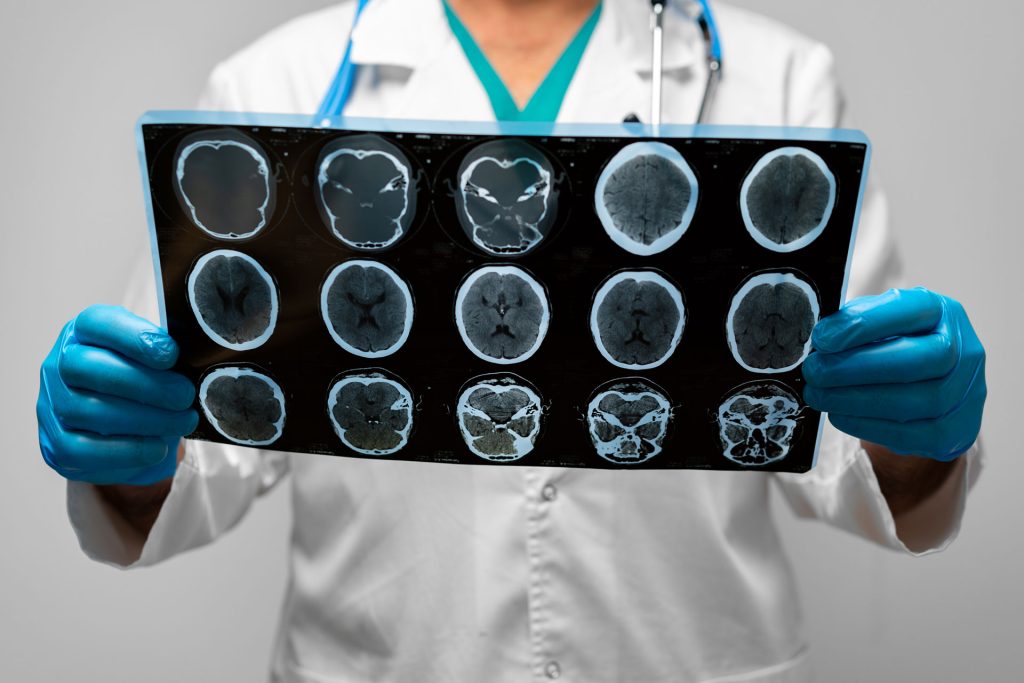
Recognizing the early signs of a stroke can save your life or the life of someone you love. Time is of the essence when it comes to stroke care—every minute counts. According to neurology experts, the sooner a stroke is identified and treated, the better the chances of recovery with minimal damage to the brain.
The most common symptoms can be remembered using the acronym F.A.S.T.:
- Face drooping
- Arm weakness
- Speech difficulty
- Time to call emergency services
Other warning signs include sudden confusion, trouble seeing in one or both eyes, difficulty walking, dizziness, or loss of balance and coordination. In some cases, people may experience a severe headache with no known cause, which can indicate a hemorrhagic stroke.
Not all symptoms are obvious, and they don’t always occur simultaneously. This makes it especially important for individuals and caregivers to stay vigilant and take even minor neurological changes seriously. In Columbia, neurology clinics often conduct public awareness campaigns to help locals recognize these symptoms quickly and seek emergency care.
The key takeaway is this: if something feels “off” neurologically—speech problems, vision changes, or sudden numbness—don’t wait. Act immediately. Calling emergency services can lead to faster diagnosis, treatment, and a better outcome.
Related: How to Improve Memory and Focus with Help from a Neurologist
The Role of Diet and Exercise in Stroke Prevention
Maintaining a healthy lifestyle is a powerful way to prevent strokes, especially through diet and physical activity. Columbia-based neurology specialists often recommend dietary and exercise plans tailored to reduce stroke risk factors like high blood pressure, high cholesterol, and excess weight.
A stroke-prevention diet focuses on heart-healthy, nutrient-rich foods. This includes plenty of fruits and vegetables, whole grains, lean proteins, and healthy fats such as those found in nuts and fish. Reducing salt, sugar, and saturated fats is key to keeping blood pressure and cholesterol in check.
Physical activity complements good nutrition by improving cardiovascular health, enhancing blood flow, and helping maintain a healthy weight. Aim for at least 150 minutes of moderate aerobic activity per week, such as brisk walking, cycling, or swimming. Strength training twice a week can also improve muscle tone and metabolism.
For people with mobility issues or chronic conditions, even light activity like stretching or seated exercises can make a difference. What matters is consistency and a willingness to make gradual improvements over time.
Neurology experts emphasize that diet and exercise not only improve overall health but also directly support brain function. A well-oxygenated brain with clean, efficient blood flow is far less likely to suffer the damage caused by stroke. Making daily health choices with your brain in mind is one of the most effective long-term strategies you can adopt.
Related: Understanding Nerve Pain and Its Treatment Options
How Neurology Experts in Columbia Diagnose Stroke Risk
Neurology experts in Columbia use a combination of patient history, physical exams, and advanced imaging to assess stroke risk. This comprehensive evaluation helps determine whether someone is at elevated risk and what interventions are most appropriate.
The first step usually involves reviewing medical history and lifestyle factors—like smoking, diet, alcohol use, and exercise habits. A neurologist may also ask about family history of stroke or cardiovascular disease, since genetic factors can play a role.
Blood pressure readings, cholesterol panels, and blood sugar levels are common starting points for identifying risk factors. Imaging techniques like carotid ultrasound, MRI, or CT angiography help assess the condition of blood vessels and detect any narrowing or blockages. In some cases, an electrocardiogram (EKG) or echocardiogram may be used to identify heart issues that could lead to blood clots.
One key advantage of working with a neurologist is access to specialized diagnostic tools that focus specifically on brain and vascular health. These tools can reveal early signs of disease that may not be visible through standard tests.
For Columbia residents, local neurology clinics and hospitals often offer stroke risk assessments as part of wellness programs or community health initiatives. By taking advantage of these services, individuals can detect problems before they become emergencies and take meaningful steps toward prevention.
Related: Sleep Disorders and Their Impact on Brain Health
Managing Blood Pressure and Cholesterol Effectively
Managing blood pressure and cholesterol is critical to lowering stroke risk, and neurology professionals often emphasize this as a top priority. Uncontrolled hypertension is one of the leading causes of both ischemic and hemorrhagic strokes.
To manage these factors effectively:
- Monitor your blood pressure regularly. Invest in a home monitor or visit a clinic for regular checks.
- Take medications as prescribed. Never skip doses or stop without consulting a doctor.
- Reduce sodium intake. Aim for less than 1,500 mg per day to help lower blood pressure.
- Adopt a low-fat, high-fiber diet. This supports both blood pressure and cholesterol management.
- Exercise consistently. Physical activity strengthens the heart and helps control weight.
- Limit alcohol and avoid tobacco. Both can significantly increase stroke risk.
- Manage stress. Chronic stress can lead to high blood pressure over time.
Cholesterol also plays a significant role. High levels of LDL (bad cholesterol) contribute to plaque buildup in arteries, while HDL (good cholesterol) helps remove it. Neurologists may prescribe statins or other lipid-lowering medications to help manage these levels.
Regular blood tests and consultations with a neurology specialist ensure your treatment plan is working. Columbia’s medical providers offer both lifestyle counseling and prescription solutions tailored to your personal health profile. Managing these numbers is one of the most concrete ways you can reduce your stroke risk.
Lifestyle Changes That Support Brain Health
Small lifestyle changes can have a big impact when it comes to preventing strokes and protecting your neurological health. Columbia-based neurology professionals often guide patients through gradual changes that add up to major benefits over time.
Key lifestyle adjustments include:
- Getting consistent, quality sleep. Aim for 7–9 hours each night to allow your brain to recover and detox.
- Staying hydrated. Proper hydration supports blood flow and cognitive function.
- Quitting smoking. Tobacco use is a major stroke risk factor and damages blood vessels over time.
- Limiting alcohol. Excessive drinking increases blood pressure and disrupts brain chemistry.
- Reducing screen time. Especially before bed, to support better sleep and lower stress.
- Engaging in social activities. Staying socially active supports cognitive health and reduces stress levels.
- Challenging your brain. Activities like reading, puzzles, or learning a new skill help maintain neurological sharpness.
These habits not only reduce your risk of stroke but also improve overall brain performance and quality of life. The goal is to create a sustainable routine that supports long-term neurological health. In Columbia, many healthcare providers and wellness programs are available to help residents take these steps with confidence and guidance.
Protecting your brain health starts with informed choices and expert support. If you or a loved one are concerned about stroke risk or neurological wellness, don’t wait for a crisis to act. At the Maryland Neuromuscular Center in Columbia, Maryland, patients receive comprehensive care grounded in the latest neurological research and preventive strategies.
Dr. Fox, a triple-board certified neurologist and neuromuscular specialist, leads a dedicated team focused on helping individuals reduce their risk of stroke and manage complex neurology conditions. From advanced diagnostics to personalized prevention plans, the center offers the support and guidance you need for long-term health.
Schedule a consultation today and take control of your neurological well-being with trusted local expertise.