
Embarking on a journey towards understanding and managing a neuromuscular condition can be daunting. A consultation with a neuromuscular specialist is a pivotal step in this process, offering valuable insights and direction. During your upcoming visit, you’ll engage with a professional dedicated to diagnosing and treating disorders that impact the intricate relationship between nerves and muscles.
This consultation is designed to unravel the complexities of your symptoms, provide a comprehensive evaluation, and craft a personalized treatment plan. By understanding the scope of the specialist’s expertise, you can approach your appointment with confidence, knowing that you’re in capable hands committed to improving your quality of life.
Understanding the Role of a Neuromuscular Specialist
Neuromuscular specialists are pivotal in the diagnosis and management of conditions affecting the intricate network between nerves and muscles. Their expertise lies in identifying disorders such as muscular dystrophy, myasthenia gravis, and amyotrophic lateral sclerosis (ALS). During a consultation, these specialists conduct comprehensive evaluations, which often include tests like electromyography (EMG) and nerve conduction studies, to accurately diagnose the condition.
Beyond diagnosis, neuromuscular specialists are integral to a multidisciplinary approach to patient care. They collaborate with neurologists, physiatrists, physical therapists, and other healthcare professionals to create a cohesive treatment plan tailored to each patient’s unique needs. This coordination ensures that all aspects of the patient’s condition are addressed, from alleviating symptoms to slowing disease progression and enhancing functionality.
The ultimate goal of a neuromuscular specialist is to improve the patient’s quality of life. This involves not only treating the condition but also providing emotional support and resources for managing daily life challenges. By empowering patients with knowledge and a robust care plan, neuromuscular specialists help them navigate their health journey with greater confidence and ease.
Related: Preventing and Treating Muscle Loss: Professional Insights
What to Expect During Your Consultation
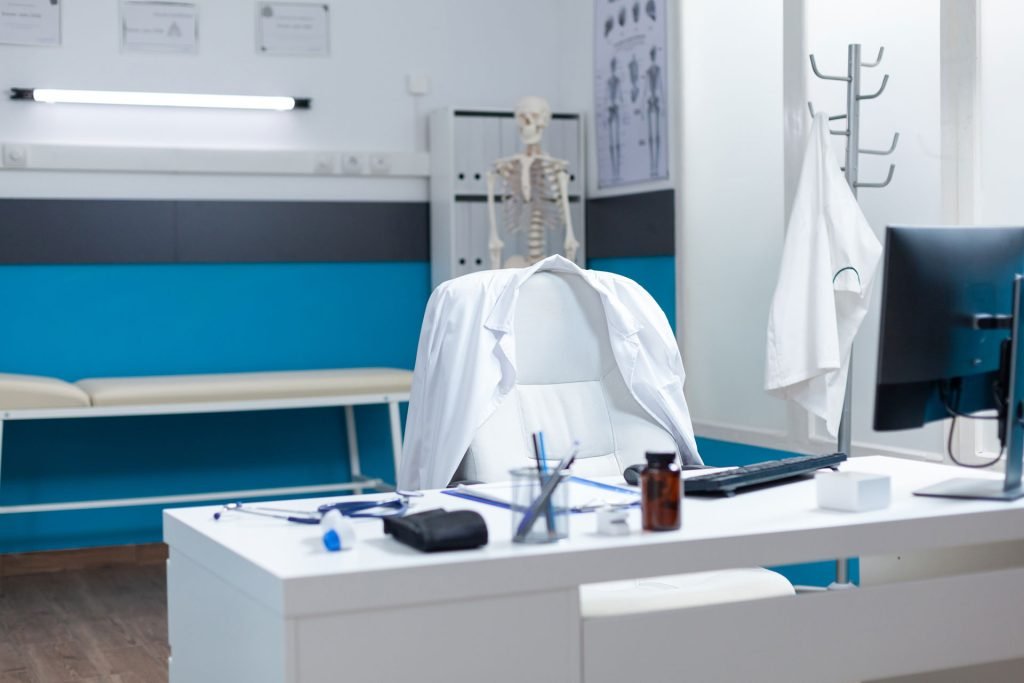
During a neuromuscular specialist consultation, patients can anticipate a thorough and organized process designed to diagnose and manage their condition effectively. Here’s what typically happens:
- Initial Assessment: Upon arrival, you will check in and be welcomed by the clinical team. A nurse or care coordinator will review your medical history and discuss any symptoms or concerns.
- Diagnostic Tests: Depending on your condition, the specialist may recommend tests such as electromyography (EMG), nerve conduction studies, or genetic testing to gain deeper insights into your neuromuscular health.
- Specialist Consultations: You will meet with various specialists, such as neurologists and cardiologists, who will evaluate different aspects of your condition. These consultations are crucial for developing a comprehensive understanding of your health status.
- Multidisciplinary Team Evaluation: The team collaborates to discuss findings and formulate a personalized treatment plan. This may include medication, therapy, or lifestyle modifications aimed at managing symptoms and improving quality of life.
- Follow-Up Planning: Before leaving, you receive an “After Visit Summary” outlining the next steps, including follow-up appointments and additional tests if necessary. The team ensures you have access to resources and support to navigate your treatment journey effectively.
This structured approach ensures that all aspects of your condition are addressed, providing a solid foundation for ongoing care and support.
Related: Home Remedies vs. Medical Treatment for Muscle Cramps in Columbia, Maryland
Common Diagnostic Procedures in Neuromuscular Evaluations
In a neuromuscular specialist consultation, several diagnostic procedures are commonly employed to accurately assess and diagnose conditions affecting nerves and muscles. Here are some of the key diagnostic tests you might encounter:
- Electromyography (EMG): This test measures the electrical activity of muscles at rest and during contraction. It helps identify muscle diseases and disorders affecting the connection between nerves and muscles.
- Nerve Conduction Studies (NCS): Often performed alongside EMG, this test evaluates the speed and strength of electrical signals traveling through nerves. It is crucial for diagnosing neuropathies and conditions like myasthenia gravis.
- Genetic Testing: This involves analyzing DNA to detect mutations associated with inherited neuromuscular diseases. It is typically performed using blood samples or cheek swabs, offering precise diagnostic insights.
- Muscle Biopsy: A small sample of muscle tissue is examined under a microscope to identify abnormalities. While less common today due to advances in genetic testing, muscle biopsies are still vital for diagnosing specific muscle disorders.
- Magnetic Resonance Imaging (MRI): This imaging technique provides detailed views of muscles and nerves, helping to identify structural issues and monitor disease progression.
These procedures collectively provide a comprehensive understanding of neuromuscular health, guiding specialists in creating personalized treatment plans.
Related: Finding the Right Neurologist in Columbia, Maryland for Your Needs
Exploring Potential Treatment Options for Neuromuscular Conditions
Navigating the treatment landscape for neuromuscular conditions can be complex, but understanding potential options can empower patients and their families. Here are some common treatments your neuromuscular specialist might discuss:
- Medication Therapy: Medications such as immunosuppressants for myasthenia gravis or riluzole for ALS can help manage symptoms and slow disease progression.
- Physical Therapy: A critical component, physical therapy aims to maintain muscle strength and function, addressing specific needs like mobility, balance, and pain management.
- Occupational Therapy: This therapy focuses on improving daily living activities by enhancing motor skills and recommending assistive devices to increase independence.
- Surgery: In certain cases, surgical interventions like thymectomy for myasthenia gravis or orthopedic surgeries to correct deformities may be necessary to improve outcomes.
- Lifestyle Modifications: Developing healthier habits, including tailored exercise programs and dietary adjustments, can significantly impact quality of life.
- Assistive Devices and Orthotics: Braces, splints, and other devices can support weakened muscles, improve mobility, and prevent complications like contractures.
- Investigational Treatments: Participation in clinical trials can offer access to new therapies and advancements in neuromuscular disease management.
By exploring these options, neuromuscular specialists can tailor a comprehensive treatment plan that addresses the unique challenges of each condition, aiming to enhance patient well-being and independence.
The Importance of Follow-Up Care and Monitoring
In the journey of managing neuromuscular conditions, follow-up care and regular monitoring play pivotal roles. Here are essential reasons why they are crucial:
- Track Disease Progression: Regular follow-ups allow specialists to monitor the progression of neuromuscular conditions closely, ensuring timely identification of any changes or complications.
- Adjust Treatment Plans: As symptoms evolve, treatment plans may need adjustments. Follow-up visits provide opportunities to evaluate the effectiveness of current therapies and modify them to better suit patient needs.
- Early Intervention: Consistent monitoring helps in the early detection of potential complications, allowing for prompt interventions that can prevent further deterioration and improve patient outcomes.
- Ongoing Support and Education: Follow-up appointments offer patients and their families continuous education about managing their condition, addressing new concerns, and reinforcing the importance of treatment adherence.
- Enhance Quality of Life: Regular interaction with healthcare providers ensures that patients receive comprehensive care tailored to their evolving needs, enhancing their overall quality of life and independence.
By prioritizing follow-up care and monitoring, patients with neuromuscular conditions can benefit from a proactive approach to managing their health, ensuring they remain on the best possible path for long-term well-being.
Related: Common Triggers of Lower Back Pain and How to Avoid Them
Tips for Communicating Effectively with Your Specialist
Effective communication with your neuromuscular specialist is crucial for maximizing the benefits of your consultation. Here are some tips to ensure a productive conversation:
- Prepare Questions in Advance: Prior to your consultation, jot down any questions or concerns you have. This preparation helps you address all your issues without forgetting important points during the meeting.
- Be Honest About Symptoms: Provide a detailed account of your symptoms, even if they seem minor. Full transparency helps your specialist, Derrick A. Fox, MD, at the Maryland Neuromuscular Center, make an accurate diagnosis.
- Take Notes: During the consultation, write down key points discussed. This will help you remember treatment plans and any advice given, ensuring you can follow through effectively.
- Clarify Information: Don’t hesitate to ask for clarification if you don’t understand something. Effective communication is a two-way street, and understanding your condition is crucial for management.
- Discuss All Medications: Inform your specialist about all medications and supplements you are taking, as they can impact your treatment plan.
- Follow Up: Ask about next steps and when to schedule a follow-up appointment to monitor your progress and adjust treatments as necessary.
By implementing these strategies, you ensure a comprehensive and beneficial consultation, paving the way for effective management of your neuromuscular condition.