
Neuropathy pain can be a life-altering condition, affecting daily activities, mobility, and overall quality of life. In Columbia, patients seeking relief often turn to a neurologist for specialized care tailored to their unique needs. Neurologists are trained to diagnose, manage, and treat conditions that affect the nervous system, including peripheral neuropathy, which causes tingling, burning sensations, or numbness in the extremities.
By understanding the underlying causes and utilizing advanced diagnostic tools, a neurologist in Columbia can develop targeted treatment plans that go beyond temporary symptom relief. Whether the neuropathy stems from diabetes, injury, or another neurological condition, timely evaluation and intervention can help patients preserve nerve function and improve their well-being. For those living with chronic nerve pain, connecting with an experienced Columbia-based neurologist is often the first step toward reclaiming comfort and independence.
Common Causes of Neuropathy and When to Seek a Neurologist
Neuropathy refers to damage or dysfunction of the peripheral nerves, which can result in pain, numbness, or weakness, often in the hands or feet. For many patients in Columbia, the first step toward relief is understanding what’s causing the condition. The most common cause is diabetes, which can lead to nerve damage over time if blood sugar levels remain uncontrolled. Other potential causes include traumatic injuries, autoimmune diseases, vitamin deficiencies, infections, and certain medications, particularly those used in chemotherapy.
Seeking a neurologist is recommended when symptoms persist, worsen, or interfere with daily activities. Early evaluation can prevent further nerve damage and improve treatment outcomes. A neurologist can conduct specialized tests to pinpoint the cause of neuropathy, which is essential for developing an effective treatment plan.
If you experience burning sensations, tingling, muscle weakness, or loss of coordination, don’t ignore these warning signs. In some cases, neuropathy can progress to more severe complications, such as foot ulcers or mobility issues. A neurologist’s expertise ensures that both the underlying cause and the symptoms are addressed, giving you the best chance at long-term relief. Residents of Columbia have access to specialists who can offer both preventive strategies and advanced medical interventions, making it critical to seek help sooner rather than later.
Related: How Vascular Neurologists Address Risks for Brain Stroke and Aneurysms
How Neurologists in Columbia Diagnose Neuropathy Pain
A neurologist’s primary goal when evaluating neuropathy pain is to identify the underlying cause and determine the extent of nerve damage. Diagnosis begins with a detailed medical history, where the neurologist will ask about symptoms, lifestyle, medications, and family medical history. This conversation is followed by a physical and neurological exam to assess reflexes, muscle strength, coordination, and sensation in different areas of the body.
To gain more precise information, neurologists in Columbia often use advanced diagnostic tests, such as:
- Nerve conduction studies (NCS) – measure how quickly electrical signals travel through the nerves.
- Electromyography (EMG) – evaluates the electrical activity of muscles to detect nerve damage.
- Blood tests – help identify potential causes such as diabetes, vitamin deficiencies, or autoimmune conditions.
- Imaging scans – including MRI or CT, to detect structural issues affecting nerves.
By combining these methods, neurologists can distinguish between different types of neuropathy, such as peripheral, autonomic, or focal neuropathy. This precision is vital because treatment varies depending on the type and cause of nerve damage.
Patients benefit from seeking a Columbia-based neurologist who is familiar with both common and rare causes of neuropathy in the local population. Accurate diagnosis leads to more targeted therapies, reducing the trial-and-error approach that can delay relief.
Related: Myopathy Treatment: Advances in Therapeutic Solutions
Treatment Options a Neurologist May Recommend for Neuropathy
When it comes to managing neuropathy pain, a neurologist tailors treatment based on the patient’s diagnosis, severity of symptoms, and overall health. For many patients in Columbia, treatment involves a combination of medication, physical therapy, and lifestyle adjustments.
Medications commonly prescribed include pain relievers, anti-seizure drugs that calm nerve activity, and antidepressants that can help modify pain signals in the brain. In cases where inflammation contributes to nerve damage, corticosteroids or other immune-modulating treatments may be used.
Physical therapy plays a crucial role in improving mobility, strengthening muscles, and reducing discomfort. Techniques such as gentle stretching, balance training, and low-impact exercises can make daily activities easier.
For diabetic neuropathy, strict blood sugar control is essential to prevent further damage. Nutritional counseling may also be part of the treatment plan, ensuring patients get adequate vitamins such as B12, which supports nerve health.
In addition, neurologists may recommend topical treatments, such as capsaicin cream or lidocaine patches, to target localized pain. For some patients, nerve blocks or electrical stimulation therapies may be appropriate.
Ultimately, the goal is not only to reduce pain but also to address the underlying cause, slow disease progression, and restore as much nerve function as possible. By working closely with a neurologist, patients can access a comprehensive plan that evolves as their needs change.
Related: What a Neuromuscular Specialist Can Do for You
The Role of Lifestyle Changes in Managing Neuropathy Pain
Lifestyle adjustments can be an important complement to medical treatments for neuropathy pain. Neurologists in Columbia often emphasize these changes because they help improve nerve health, reduce pain, and prevent symptoms from worsening.
A balanced diet rich in whole grains, lean proteins, healthy fats, and colorful vegetables provides essential nutrients for nerve repair and maintenance. Patients with diabetes or prediabetes should closely monitor their carbohydrate intake and blood sugar levels, as uncontrolled glucose is one of the most common causes of nerve damage.
Regular exercise improves circulation, strengthens muscles, and promotes nerve regeneration. Even gentle activities such as walking, swimming, or yoga can make a significant difference. Maintaining a healthy weight also reduces pressure on nerves, which can alleviate pain and discomfort.
Neurologists also advise avoiding habits that can worsen nerve damage, such as excessive alcohol consumption and smoking. Both can impair circulation and slow the body’s healing process. Managing stress through mindfulness, meditation, or breathing exercises can also reduce the intensity of pain by lowering inflammation and improving overall well-being.
While lifestyle changes alone may not fully reverse neuropathy, they significantly enhance the effectiveness of medical treatments. Patients who actively follow their neurologist’s recommendations often report better pain control, improved mobility, and a higher quality of life.
Related: Innovative Myopathy Treatments Available in Columbia, MD
Advanced Therapies Available from Columbia Neurologists
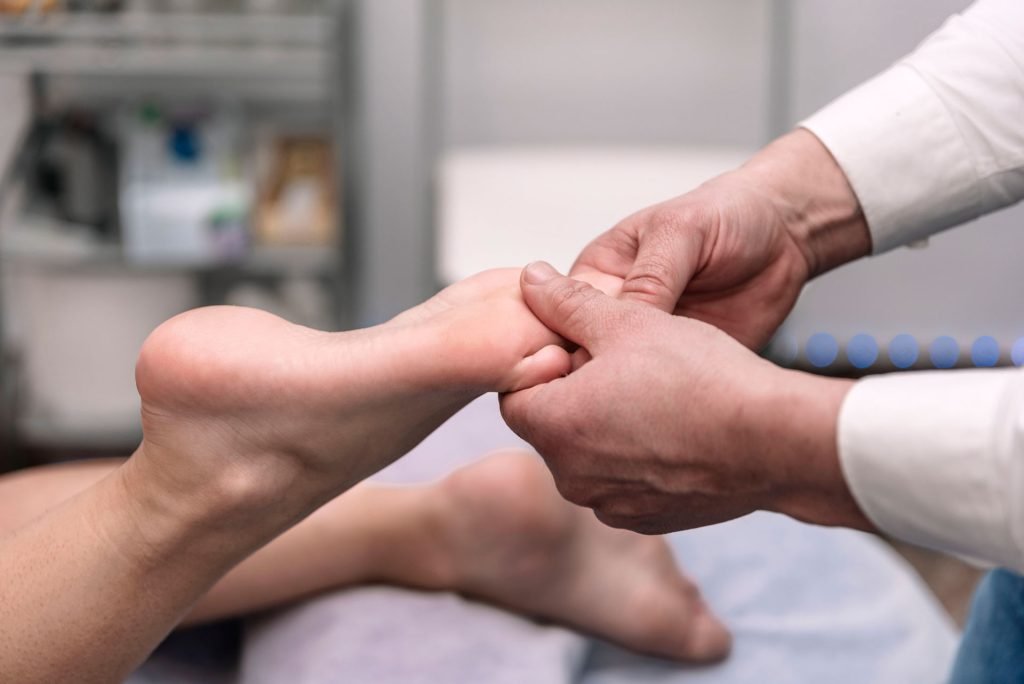
In addition to conventional treatments, many neurologists in Columbia offer advanced therapies that can help patients with persistent neuropathy pain. These options are particularly useful when standard medications or physical therapy do not provide adequate relief.
Some advanced treatments include:
- Transcutaneous electrical nerve stimulation (TENS) – a noninvasive therapy that uses low-voltage electrical currents to reduce pain signals.
- Spinal cord stimulation – an implanted device that sends mild electrical impulses to the spinal cord, interrupting pain signals before they reach the brain.
- Peripheral nerve stimulation – similar to spinal cord stimulation but targeted directly at affected peripheral nerves.
- Infusion therapies – intravenous administration of medications like immunoglobulins for autoimmune-related neuropathy.
- Laser therapy – used to promote tissue healing and nerve regeneration.
These advanced interventions are often combined with ongoing medical management and lifestyle changes. A neurologist will carefully evaluate a patient’s health history, pain severity, and treatment goals before recommending these options.
By seeking care from a neurologist in Columbia who offers such cutting-edge therapies, patients can access a broader range of solutions that may significantly improve their comfort and daily functioning.
How to Choose the Right Neurologist in Columbia
Finding the right neurologist can make all the difference in successfully managing neuropathy pain. Patients should look for a physician with experience in treating peripheral nerve disorders and access to the latest diagnostic and treatment tools. Board certification in neurology and subspecialty training in neuromuscular medicine can indicate a higher level of expertise.
Location and accessibility are also important factors. For patients with mobility challenges, choosing a clinic with convenient parking, wheelchair access, and telehealth options can reduce stress and improve follow-up care.
Communication style matters as well. A good neurologist will listen to your concerns, explain test results clearly, and involve you in the decision-making process. Building a strong doctor-patient relationship ensures your treatment plan is tailored to your unique needs and preferences.
Referrals from your primary care physician or recommendations from trusted friends and family can help narrow your search. Many Columbia neurologists also maintain online profiles where you can review their qualifications and patient feedback.
Ultimately, selecting the right neurologist is an investment in your long-term health and comfort. Taking the time to research and meet with potential providers can lead to better outcomes and a more positive care experience.
If you or a loved one are experiencing symptoms of neuropathy, expert help is closer than you think. The Maryland Neuromuscular Center in Columbia, Maryland provides advanced diagnostic tools and personalized treatment options for nerve pain and related disorders. Dr. Fox is a triple-board certified neurologist and neuromuscular specialist dedicated to helping patients regain comfort, mobility, and quality of life. Don’t wait for your symptoms to worsen—schedule your consultation today and take the first step toward lasting relief.