
The intricacies of complex neuromuscular conditions requires a specialized approach, one that is adept at understanding the unique challenges these conditions present. Neuromuscular specialists play a pivotal role in this landscape, offering expert care that is both comprehensive and tailored to each patient’s needs.
Their extensive training and deep understanding of the nervous and muscular systems enable them to diagnose and manage disorders that can often be elusive and demanding. By employing advanced diagnostic techniques and individualized treatment plans, neuromuscular specialists strive to enhance the quality of life for those affected, providing not just medical intervention but also hope and clarity in often uncertain situations.
Understanding Neuromuscular Disorders: An Overview
Neuromuscular disorders encompass a broad spectrum of conditions that affect the nerves controlling voluntary muscles. These disorders can vary widely in terms of their causes, symptoms, and progression, making them complex to diagnose and manage. Understanding the nature of neuromuscular disorders is crucial for effective treatment and improving patient outcomes.
These conditions can result from genetic mutations, autoimmune responses, or other underlying health issues. Some common neuromuscular disorders include muscular dystrophies, amyotrophic lateral sclerosis (ALS), and myasthenia gravis. Each disorder presents unique challenges, often leading to muscle weakness, atrophy, and in some cases, respiratory complications. For instance, certain neuromuscular conditions severely impact respiratory function, which can significantly affect a patient’s quality of life and increase the risk of morbidity and mortality.
The prevalence and incidence of neuromuscular disorders vary, but they collectively represent a significant health concern. Their complexity necessitates a comprehensive approach to diagnosis and management, often involving a multidisciplinary team of specialists. A detailed understanding of the specific disorder is essential to tailor interventions that address both the physical and emotional needs of the patient.
Advancements in diagnostic techniques, including genetic testing and electromyography, have enhanced the ability to accurately identify these disorders. This understanding aids in crafting personalized treatment plans that may include medication, physical therapy, and, in some cases, surgical interventions. For patients affected by these challenging conditions, a nuanced understanding and approach to care are pivotal in managing symptoms and improving overall quality of life.
Related: Understanding Lower Back Pain: Causes and Effective Management Strategies
The Importance of Specialized Care in Neuromuscular Medicine

In the realm of neuromuscular medicine, specialized care is paramount for managing complex conditions effectively. This tailored approach leverages the expertise of neuromuscular specialists and multidisciplinary teams to address the unique challenges these disorders present. Understanding the importance of specialized care can significantly enhance patient outcomes. Here are key aspects to consider:
- Multidisciplinary Clinics: These clinics bring together various healthcare professionals, including neurologists, physiotherapists, and occupational therapists, to provide comprehensive care. This collaborative approach ensures that every aspect of the patient’s condition is addressed, from diagnosis to treatment and rehabilitation.
- Advanced Diagnostics: Neuromuscular specialists utilize cutting-edge diagnostic tools, such as electromyography and genetic testing, to accurately identify disorders. Early and precise diagnosis is crucial for developing effective treatment plans tailored to individual needs.
- Rehabilitation Services: Rehabilitation plays a critical role in maintaining and improving function in patients with neuromuscular disorders. Specialized care often includes customized physical therapy programs designed to enhance mobility, strength, and overall quality of life.
- Patient-Centered Care: Specialized clinics focus on the holistic needs of the patient, considering both physical and emotional aspects. By involving patients in their care plans and providing education and support, specialists empower individuals to manage their conditions more effectively.
- Access to Resources: Specialized care facilities are equipped with the latest medical equipment and resources to support comprehensive treatment strategies. This access is vital in preventing complications and promoting long-term health and well-being.
For those dealing with complex neuromuscular conditions, specialized care provides not just medical interventions but a pathway to improved quality of life through personalized and expert-driven approaches.
Related: Muscle Cramps: Common Causes and Relief Techniques
Expertise and Training: What Sets Neuromuscular Specialists Apart
In the specialized field of neuromuscular medicine, the expertise and training of specialists are crucial in providing effective care for complex conditions. These professionals undergo extensive education and practical experience to ensure they can address the multifaceted needs of their patients. Here, we highlight some of the key aspects that set neuromuscular specialists apart:
- Comprehensive Training: Neuromuscular specialists, such as Derrick A. Fox, MD, FAANEM from the Maryland Neuromuscular Center, receive rigorous training that includes medical school, residency in neurology, and fellowship training specifically in neuromuscular diseases. This path equips them with in-depth knowledge of various neuromuscular disorders and their management.
- Advanced Diagnostic Skills: Specialists are adept at using sophisticated diagnostic tools like electromyography (EMG) and nerve conduction studies to accurately diagnose conditions. Their ability to interpret these tests is vital for developing precise treatment plans.
- Interdisciplinary Collaboration: Experts like Dr. Fox work closely with a team of healthcare professionals, including physical therapists and occupational therapists, to provide a comprehensive care approach. This collaboration ensures all aspects of a patient’s condition are managed effectively.
- Continuous Education: Neuromuscular specialists engage in ongoing education and research to stay abreast of the latest advancements in their field. This commitment to learning allows them to incorporate new treatment modalities and technologies into their practice.
- Patient-Centric Approach: Specialists focus on creating personalized treatment plans that consider the unique needs and circumstances of each patient. This tailored approach is essential for optimizing patient outcomes and enhancing quality of life.
Dr. Derrick A. Fox exemplifies the dedication and expertise required in neuromuscular medicine, providing hope and improved health outcomes for those dealing with complex neuromuscular conditions.
Related: Tackling Balance Problems: Diagnosis and Treatment Approaches
Advanced Diagnostic Techniques for Neuromuscular Conditions
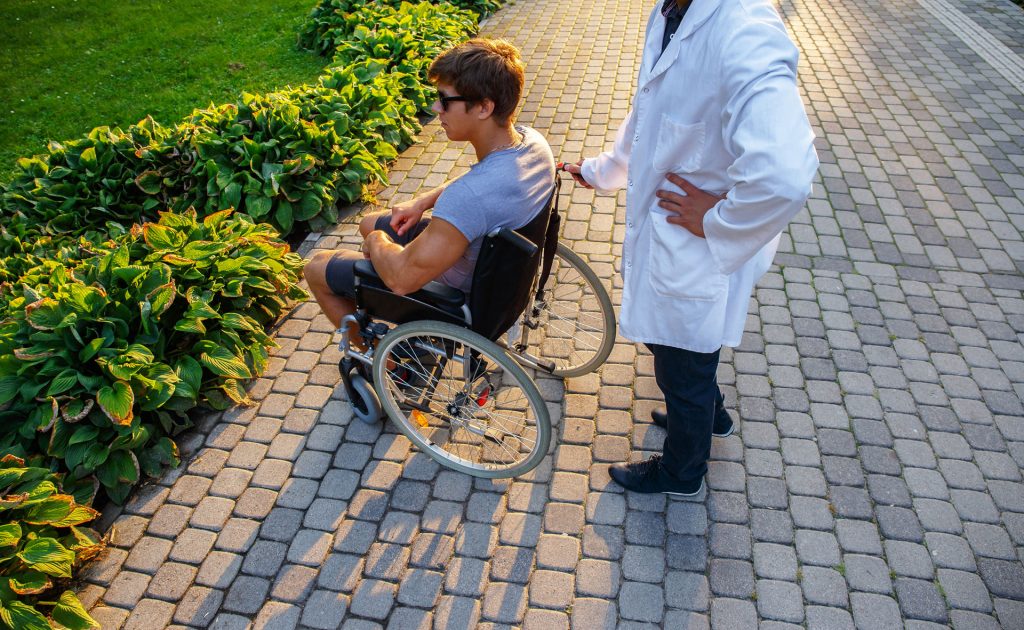
In the constantly evolving field of neuromuscular medicine, advanced diagnostic techniques play a crucial role in accurately identifying and managing complex conditions. These cutting-edge methods enable specialists to unravel the intricacies of various disorders, leading to more effective treatment plans. Here are some key diagnostic techniques used in neuromuscular medicine:
- Next-Generation Sequencing (NGS): As a powerful tool in genetic diagnostics, NGS allows for comprehensive analysis of multiple genes simultaneously. This technique is particularly useful in identifying genetic mutations associated with inherited neuromuscular diseases, facilitating targeted interventions.
- Biomarkers: The use of biomarkers has revolutionized the diagnosis of rare neuromuscular disorders. Biomarkers provide measurable indicators of disease presence and progression, offering insights into the effectiveness of therapeutic strategies and helping tailor personalized treatment plans.
- Electromyography (EMG) and Nerve Conduction Studies (NCS): These are standard diagnostic tools that assess the electrical activity of muscles and the integrity of nerve pathways. They are instrumental in differentiating between muscle diseases and nerve disorders, guiding appropriate management strategies.
- Evaluation Tools for Dysphagia: In patients with neuromuscular conditions, dysphagia (difficulty swallowing) is a common symptom. Advanced screening and evaluation tools help diagnose swallowing disorders, ensuring timely intervention to prevent complications such as aspiration pneumonia.
- Magnetic Resonance Imaging (MRI): MRI provides detailed images of muscles and nerves, helping to identify structural abnormalities. It is essential in diagnosing conditions like muscular dystrophies and peripheral neuropathies.
By leveraging these advanced diagnostic techniques, neuromuscular specialists can provide accurate diagnoses and develop effective, individualized care plans, ultimately improving patient outcomes and quality of life.
Related: Neck Pain Solutions: Tips for Relief and Prevention
Crafting Individualized Treatment Plans: A Personalized Approach
In managing complex neuromuscular conditions, crafting individualized treatment plans is essential for optimizing patient outcomes. This personalized approach considers the unique characteristics and needs of each patient, allowing specialists to tailor interventions that address specific symptoms and challenges. Neuromuscular specialists leverage detailed assessments and advanced diagnostics to develop customized care plans that can significantly enhance the quality of life for individuals facing these conditions.
One of the key factors in creating effective treatment plans is the integration of emerging technologies, such as artificial intelligence (AI). AI offers promising advances in neuromuscular medicine by enabling more precise and data-driven decisions. By analyzing vast amounts of patient data, AI can help identify patterns and predict outcomes, which aids specialists in designing targeted therapeutic strategies. This technology not only enhances diagnostic accuracy but also supports continuous monitoring and adjustment of treatment plans as needed.
Another crucial element is the collaboration among healthcare professionals, which ensures comprehensive care. Specialists work closely with a multidisciplinary team, including physiotherapists and nutritionists, to address all aspects of a patient’s condition. This holistic approach ensures that both physical and psychological needs are met, facilitating a more effective recovery process.
For individuals seeking expert care, the Maryland Neuromuscular Center stands out as a leader in providing personalized treatment solutions. By combining cutting-edge technology with a compassionate, patient-centered approach, the center offers tailored interventions that empower patients to manage their conditions more effectively. Consider reaching out to the Maryland Neuromuscular Center to explore how individualized treatment plans can benefit your health journey.