
Muscle cramps can be an unexpected and painful disruption to daily life, affecting individuals of all ages and lifestyles. In Columbia, where diverse cultural practices and a variety of health solutions coexist, understanding the balance between traditional home remedies and modern treatment for muscle cramps is crucial for effective relief.
This exploration delves into the efficacy, accessibility, and cultural significance of both approaches. By gaining insight into these options, sufferers of muscle cramps can make informed decisions suited to their personal needs and preferences, ensuring a holistic approach to managing their discomfort.
Understanding Muscle Cramps: Causes and Symptoms
Muscle cramps are defined as sudden, involuntary contractions of one or more muscles, often leading to significant discomfort. These spasms can strike unexpectedly, frequently affecting the legs, particularly the calves.
Common causes of muscle cramps include:
- Dehydration: Insufficient fluid intake can lead to electrolyte imbalances, contributing to cramping.
- Overuse: Excessive use or strain on muscles during physical activities can trigger cramps.
- Mineral Deficiencies: Low levels of essential minerals such as potassium, calcium, and magnesium can increase cramp susceptibility.
Symptoms of muscle cramps typically involve:
- Sudden Pain: A sharp, intense pain that can last from a few seconds to several minutes.
- Muscle Tightness: The affected muscle may feel hard or knotted.
- Twitching: Visible muscle spasms may accompany cramping.
While most muscle cramps are harmless and resolve on their own, persistent or severe cramps might indicate underlying health concerns, such as nerve compression or poor circulation.
Risk factors that can heighten the likelihood of experiencing muscle cramps include:
- Age: Older adults are more prone due to reduced muscle mass.
- Poor Physical Condition: Lack of exercise can lead to muscle fatigue.
- Medical Conditions: Issues like diabetes or thyroid disorders can increase cramp risk.
Understanding these causes and symptoms helps in managing and potentially preventing muscle cramps effectively.
Related: Finding the Right Neurologist in Columbia, Maryland for Your Needs
Home Remedies for Muscle Cramps
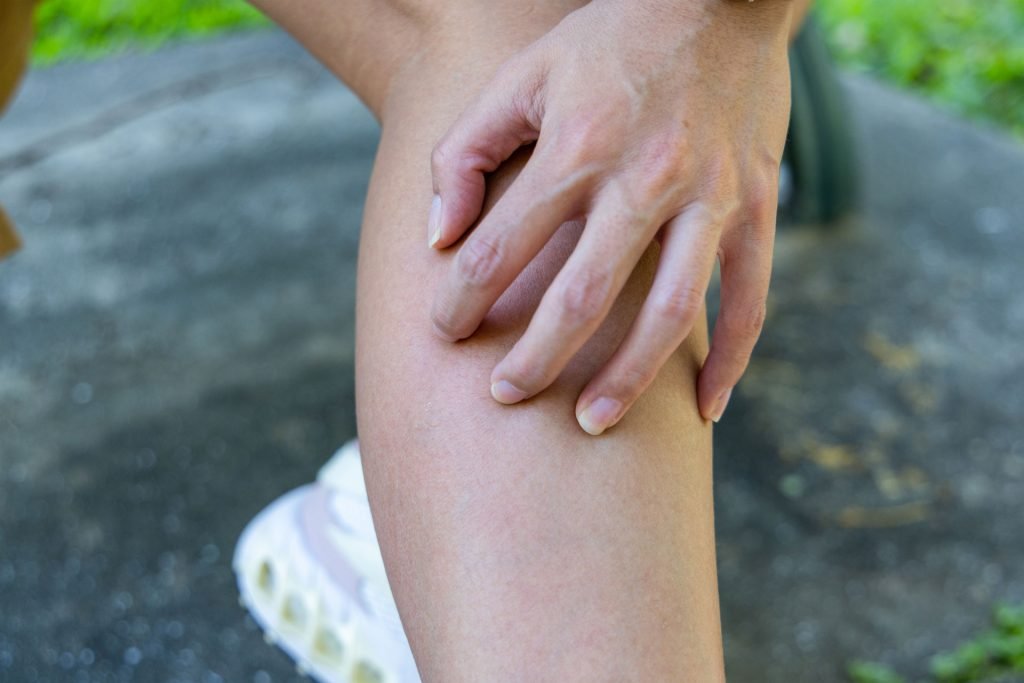
For individuals in Columbia, Maryland, managing muscle cramps can often begin with simple home remedies. These methods are both practical and effective for immediate relief and prevention.
- Hydration and Electrolyte Balance: Ensure adequate fluid intake throughout the day, especially if physically active. Dehydration often exacerbates muscle cramps, so consuming beverages rich in electrolytes can help maintain the necessary balance of minerals like potassium, calcium, and magnesium.
- Stretching and Massage: At the onset of a cramp, gently stretching the affected muscle can alleviate tension. Follow this with a light massage to improve blood circulation, which aids in relaxing the cramped muscle fibers.
- Heat or Cold Application: Applying heat to a cramp can facilitate muscle relaxation and pain relief. Use a warm towel or heating pad on the affected area. Alternatively, if the cramp persists, ice packs can reduce inflammation and provide numbing relief.
- Supplements: Consider supplements, particularly magnesium and calcium, if diet alone doesn’t meet your mineral needs. These supplements can support muscle function and reduce cramp frequency.
Incorporating these home remedies into daily routines can significantly reduce the occurrence and severity of muscle cramps, providing comfort and enhancing overall muscle health.
Related: Common Triggers of Lower Back Pain and How to Avoid Them
Modern Medical Treatments: Options and Effectiveness
For those experiencing muscle cramps in Columbia, Maryland, modern medical treatments offer a range of options that can effectively alleviate symptoms and address underlying causes.
- Muscle Relaxants: Prescribed for severe or frequent muscle cramps, muscle relaxants help reduce muscle spasms and provide relief. While they can be effective, their side effects, such as drowsiness and dizziness, should be considered in consultation with a healthcare provider.
- Physiotherapy and Massage: These treatments focus on enhancing muscle function and reducing cramp frequency. Physiotherapy involves exercises to improve flexibility and strength, while massage helps in increasing blood flow, thus relaxing the affected muscle groups and providing symptomatic relief.
- Pain Relievers: Over-the-counter pain relievers like ibuprofen or acetaminophen are often used to manage discomfort caused by cramps. They can effectively reduce pain and inflammation, making them a convenient option for immediate relief.
- Addressing Underlying Conditions: Identifying and managing conditions such as nerve compression, poor circulation, or mineral deficiencies is crucial. Treatment of these underlying issues can prevent recurring cramps and improve overall muscle health.
Incorporating these medical treatments can significantly enhance the management of muscle cramps, offering both immediate relief and long-term benefits.
Related: Understanding the Different Types of Muscle Cramps and Their Treatments
Comparing the Accessibility of Home Remedies and Medical Treatments
Comparing the Accessibility of Home Remedies and Medical Treatments
When addressing muscle cramps, both home remedies and medical treatments offer viable options, each with its own accessibility advantages for individuals in Columbia, Maryland.
- Ease of Access to Home Remedies: Home remedies are typically the first choice for many due to their immediate availability. Simple techniques such as stretching the affected muscle, staying hydrated, and applying heat or ice packs can be performed at home without the need for specialized equipment. These methods provide quick relief and can be easily incorporated into daily routines.
- Availability and Cost of Medical Treatments: Medical treatments for muscle cramps, including prescription medications and physiotherapy, may require professional consultation, which can involve additional time and financial investment. Prescriptions, while effective, might also come with costs depending on insurance coverage. Physiotherapy sessions, beneficial for long-term relief, might also be influenced by availability and scheduling constraints.
- Convenience of Home Remedies: Home remedies offer the advantage of convenience, allowing individuals to address cramps immediately as they occur. This can be particularly useful during late-night episodes or when access to healthcare facilities is limited.
By understanding these aspects, individuals can make informed decisions about managing muscle cramps, balancing immediate relief with long-term treatment options.
Related: Understanding Chronic Neck Pain: Causes and Symptoms Explained
Evaluating the Efficacy of Home Remedies vs. Medical Interventions
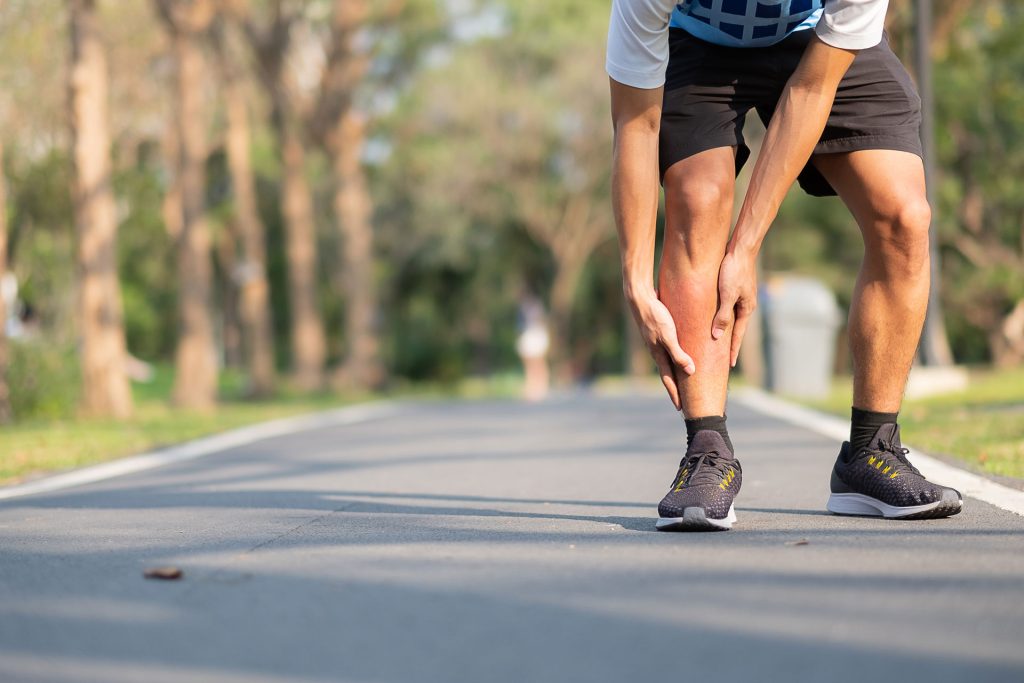
For residents of Columbia, Maryland, understanding the effectiveness of various treatments for muscle cramps is crucial in managing this common condition. Both home remedies and medical interventions offer distinct advantages and limitations.
- Effectiveness of Home Remedies: Simple solutions like stretching and proper hydration can provide immediate relief from muscle cramps. These measures support muscle function and help alleviate cramps quickly. Heat application, such as a warm bath or heating pad, can also relax muscles and reduce discomfort.
- Role of Medical Interventions: For chronic or severe muscle cramps, medical treatments are often necessary. Muscle relaxants can be effective in reducing spasms, while physiotherapy offers long-term benefits by improving muscle flexibility and strength. These interventions are particularly useful when cramps are linked to underlying health issues.
- Limitations: While home remedies are easily accessible and cost-effective, they may not address persistent or severe cramps. On the other hand, medical interventions, though more comprehensive in treating chronic conditions, can be costly and require professional guidance. Potential side effects from medications and scheduling challenges with therapy can also be drawbacks.
Balancing home remedies for immediate relief with medical interventions for chronic management can offer a comprehensive approach to tackling muscle cramps effectively.
Personalizing Muscle Cramp Treatment: Factors to Consider
For residents of Columbia, Maryland experiencing muscle cramps, personalizing treatment is crucial for effective management. Understanding individual needs and circumstances can significantly enhance treatment outcomes.
- Individual Health Conditions and Lifestyle: Each person has unique health profiles and lifestyles that impact treatment effectiveness. Factors like existing medical conditions, medication use, and daily activities should guide the selection of remedies or interventions.
- Role of Age and Activity Level: Age and physical activity levels play a significant role in determining the most suitable treatment. Older adults may require gentler treatments, while more active individuals might benefit from interventions that support muscle recovery and endurance.
- Consulting Specialists: Professional guidance is essential in tailoring treatments to individual needs. Consulting experts like Dr. Derrick A. Fox at Maryland Neuromuscular Center can provide insights into advanced treatment options, ensuring an approach that aligns with personal health circumstances and goals.
By considering these factors, individuals can develop a customized plan that addresses the root causes of their muscle cramps, promoting not only relief but also long-term muscle health and well-being.